Showing posts with label CELTI. Show all posts

Friday, June 22, 2012

Morrighan

Over hills and over meadows
see the crow fly, feel her shadow
Over woods and over mountains
searching for a war

Her wings embrace each strife and battle
where swords they clash and chariots rattle
seeking out the one whose time
has come to take the blade

Morrigan ancient crone of war
I see your face, I'll cry no more
Morrigan ancient crone of war
come lift me on your wings

Morrigan ancient crone of war
I hear your voice, I'll breathe no more
Morrigan ancient crone of war
Come set my spirit free

Kill for Morrigan
Maim for Morrigan
Fight for Morrigan
and you will
Slay for Morrigan
Die for Morrigan
Morrigan crone of war


TY LEE

Thursday, April 12, 2012

Celții primitivi -ANCIENT CELTS ENGLISH DOCUMENTARY


HERE

Filmul documentar „Celții primitivi” face parte dintr-o serie de filme narate de Terry Jones, care prezintă istoria Romei Antice din perspectiva barbarilor. O combinaţie rară de cercetări istorice şi charisma şi umorul lui Terry Jones fac din acest documentar un film esenţial pentru pasionaţii de istorie.

„The primitive Celts” (Celții cei primitivi) este primul episod al seriei. Cei mai mulți dintre noi cred că societatea celtă a fost primitivă și necivilizată, iar Terry Jones vrea să ne arate că nu e deloc așa.

Celții nu au fost niște primitivi, dimpotrivă, erau o societate avansată, care depășea Roma în unele privințe. De exemplu, multe din drumurile din acest ținut, despre care se spunea că au fost construite de romani au fost construite chiar de către celți.

Ce i-a atras pe romani spre aceste teritorii a fost faptul că erau foarte bogate. Astfel, generalul roman Iulius Cezar a pornit într-o misiune de cucerire a celților cu o armată profesională, în fața căreia acest popor n-a avut nici o șansă. Și cum istoria e scrisă de învingători…

Vizionare online film documentar subtitrat Celții primitivi


cybershamans (karmapolice) / CC BY-NC-ND 3.0
Share/Bookmark

Saturday, August 20, 2011

REMEDII CELTICE* Ierburile Sfantului Ioan Botezatorul *

REMEDII CELTICE* Ierburile Sfantului Ioan Botezatorul *
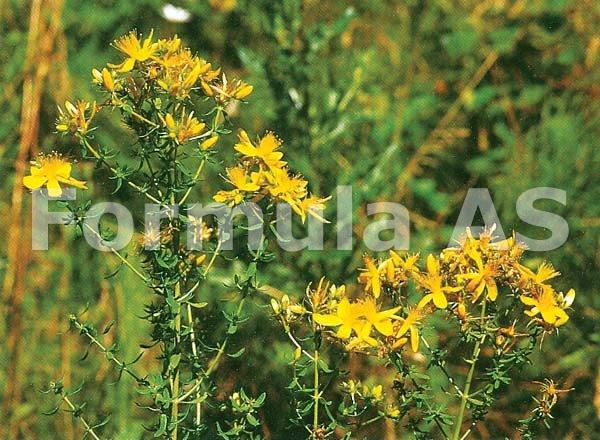
Sunatoarea

(Hypericum Perforatum)

Semn planetar: Soarele

Florile galben-aurii ale plantei, cu staminele lor drepte ca niste raze, sunt o imagine vegetala a soarelui. Din cauza asta, druizii au si pus Sunatoarea sub semnul astrului zilei, care trezeste in oameni constiinta de sine, stapanindu-le inima si sistemul imunitar.

Rostul acestei plante asa de luminoase ca infatisare este sa incalzeasca sufletul si sa limpezeasca boala, oriunde s-ar afla.

In plus, culoarea rosie a ceaiului si a uleiului de sunatoare a fost interpretata ca semn de similitudine cu sangele si cu puterea de a vindeca infectiile si inflamatiile.

Cu atatea talente, nu e, deci, nici o mirare, ca in vremurile crestine, Sunatoarea (numita si iarba Sfantului Ioan) a fost pusa sub puterea acestuia.

Insusiri medicale

Devenita astazi un panaceu aproape universal, pe vremea celtilor, Sunatoarea se folosea mai ales pentru alungarea depresiilor si calmarea migrenelor, iar pe cale externa, contra arsurilor, ranilor, cicatricelor rezistente si contra reumatismului.

Indicatii terapeutice

Uz intern:

* Depresii, dureri de cap, migrene acute
Reteta: 2 lingurite de planta uscata se oparesc cu 200 ml apa. Se lasa la infuzat 15 minute, in vas acoperit. Se strecoara. Se beau trei cani pe zi, inainte de mesele principale.

* Cistite, congestii hepatice, insuficienta cardiaca si circulatorie, boli infectioase
Reteta: o lingurita de planta, bine maruntita, se opareste cu o cana de apa clocotita. Se lasa 15 minute, apoi se strecoara. Se beau trei cani pe zi.

Uz extern:

* Reumatism, inflamatii ale membrelor - sciatica, nevralgii
Se fac masaje ale zonelor dureroase cu ulei de sunatoare (vezi reteta mai jos).

* Pericol de "ruperi" la nasteri
Uleiul rosiatic de Sunatoare este extrem de util si la nasteri, pentru a evita rupturile de perineu.

Inca inainte de a le veni sorocul, femeile se masau, in vechime, in zona genitala, care devenea mai elastica. Dar chiar si daca nasterea era grea si ruptura inevitabila, folosirea locala a uleiului de Sunatoare inchidea rana si stergea urmele.

* Cicatrice
Chiar si cele mai rezistente urme de taieturi sau de rani dispar, in timp, daca sunt sistematic masate cu ulei de Sunatoare.

* Arsuri, arsuri solare, iritatii ale pielii prin iradieri, furuncule, acnee, dureri vulvare (aparute in urma unui herpes genital) cedeaza, de asemenea, la tratamentul cu ulei de Sunatoare.


Ulei de Sunatoare
REMEDII CELTICE* Ierburile Sfantului Ioan Botezatorul *

Reteta adoptata de preotul german Johann Kunzle, dupa formula vindecatorilor celti:

"Ia cativa pumni de flori proaspete de Sunatoare, piseaza-le pana sangereaza, pune-le in untdelemn curat si aseaza-le 10 zile la soare, pana ce uleiul se face rosu.

Mai ia o data aceeasi cantitate de flori, pune-le in acelasi ulei si lasa-le, iarasi, la soare 10 zile. Repeta lucrul asta de 3-4 ori, pana ce uleiul devine rosu inchis. Atunci puterea lui este maxima."

Observatie: in mod traditional, pentru prepararea uleiului de Sunatoare se folosesc, dupa ziua de 24 iunie (nasterea Sfantului Ioan Botezatorul) flori de Sunatoare inca nedeschise.

Efectul lor este mai puternic, daca ele sunt adunate in trei-patru duminici la rand, la vremea pranzului, pe soare puternic. Uleiul devine mai repede rosu, daca este pus intr-o sticla alba, curata, intr-un loc insorit.

Pentru ca preparatul sa nu mucegaiasca, gura sticlei si dopul trebuie sterse zilnic cu o carpa uscata. Cele mai recomandate uleiuri sunt cel de masline (are miros mai puternic) si cel de floarea-soarelui (rancezeste mai repede).


Alifia Cavalerului

De data asta este vorba de un unguent realizat de farmacistii francezi din secolul 17, pornind tot de la reteta druizilor.

Ingrediente: ceara galbena de albine (3 lingurite), ceara alba (10 g), ulei rosu de sunatoare (45 ml), tinctura de galbenele (5 ml), ulei eteric de lavanda (6 picaturi), ulei eteric de trandafiri (3 picaturi).

Mod de preparare: ceara de albine si ceara alba, impreuna cu uleiul de sunatoare, se incalzesc intr-o craticioara, pe baie de aburi.

* Cand continutul se lichefiaza complet, se scoate vasul din apa, se amesteca intruna si se pun in el tinctura de galbenele si uleiurile aromate.

Se amesteca mai departe, pana ce compozitia se raceste, dupa care se pune in recipiente mai mici. Bine inchis si tinut in frigider, preparatul rezista cateva luni.

Mod de folosire: se aplica prin ungere, de doua ori pe zi, in caz de hemoroizi, psoriazis, ulcere ale gambelor, arsuri provocate de laser, iradieri.

Avertisment:

Un tratament de lunga durata cu Sunatoare nu li se recomanda persoanelor cu pielea deschisa, carora le sporeste sensibilitatea la lumina si pot ajunge la arsuri, atat pe plaja, cat si in solarii. Ceaiul de sunatoare nu trebuie administrat nici alaturi de medicamentele antidepresive, carora le poate anula sau spori in exces efectul.

SALVIA
(Salvia Officinalis)

Semn planetar: Soarele.
* Este a treia planta druidica sacra, ce face parte si din ierburile Sfantului Ioan *
REMEDII CELTICE* Ierburile Sfantului Ioan Botezatorul *

Caracteristic pentru Salvie este mirosul ei asemanator cu cel al sudorii, similitudine ce a si dus la folosirea ei in cazurile de transpiratie excesiva. Vanatorii celti se frecau pe piele cu frunze de salvie, pentru a se putea apropia mai usor de animale.

Continutul in uleiuri eterice ii confera Salviei capacitatea de a intari nervii, precum si trupul si sufletul, impotriva semnelor batranetii.

Apropierea s-a facut tot prin similitudini, pornind de la culoarea verde-cenusie a frunzelor, care aminteste de caruntete, si de la faptul ca Salvia rezista si iarna, deci are, asa cum isi doreste si omul, durata in timp.

In antichitate, Dioscoride o considera diuretica, iar druizii o foloseau pentru a vindeca muscaturile pestilor si serpilor veninosi. In secolul 18, era utilizata contra epilepsiei, letargiei, paraliziei, in bronsite si raceli cronice.

* Infuzata in vin rosu, Salvia da un vin aromatic folosit in dezinfectarea si pansarea ranilor.

* Tinctura de Salvie, amestecata in parti egale cu rom, fortifica pielea capului si favorizeaza cresterea parului.

Indicatii terapeutice
Uz intern:


* Transpiratie, infectii, ciuperci
Reteta: 1 lingurita cu varf de salvie uscata se opareste cu 200 ml apa clocotita. Se lasa la infuzat 10 minute. Se strecoara. Se beau 2-3 cani pe zi.

* Energizant pentru toate functiile organismului
Reteta: 1 lingura de planta uscata se pune la fiert cu 1 litru de apa ce clocoteste. Se lasa sa fiarba 7 minute. Se lasa la infuzat pana ce se raceste. Se bea cate o cana, dupa fiecare masa principala.

Uz extern:

* Dureri in gat, miros urat al gurii - gargara cu ceaiul preparat dupa reteta de mai sus.
* Infectii vaginale cu candida si alte ciuperci

Retete:
- Ulei aromat de salvie (se gaseste la farmacie si in pravaliile naturiste). Se pun 3-5 picaturi de ulei intr-un litru de apa calduta si se fac spalaturi vaginale.

- Tinctura de salvie (se gaseste la magazinele naturiste) - se dilueaza in ceai de salvie (in proportie de 10% si se fac spalaturi vaginale).
REMEDII CELTICE* Ierburile Sfantului Ioan Botezatorul *

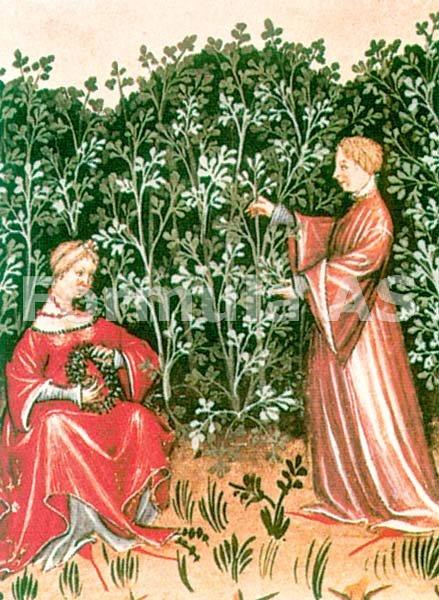
Gradina cu plante (gravura germana din sec. 16)


* Bai de sezut cu frunze de salvie
Reteta: 10 linguri de salvie se oparesc cu 2 litri de apa clocotita si se lasa sa se infuzeze 20 de minute. Se strecoara, se amesteca cu un sfert de litru de zer si se fac bai calde de sezut.

* Transpiratie nocturna, bufeuri la menopauza
Se pun comprese calde cu otet de salvie, cu care se freaca trunchiul si bratele. Nu se spala. Se lasa pe piele, sa-si faca efectul.

Reteta otetului de salvie
Intr-un borcan cu filet se pun 4 linguri de frunze si flori proaspete de salvie, peste care se toarna 750 ml otet de mere casnic (se gaseste la piata, produs de apicultori). Se lasa bine inchis, vreme de doua saptamani, apoi se strecoara. Ca sa dureze mai mult, se adauga si 250 ml alcool.
cybershamans (karmapolice) / CC BY-NC-ND 3.0
Share/Bookmark

Thursday, August 11, 2011

Medicina magica

  • LEACURI CELTICE
LEACURI CELTICE
* Ierburile Sfantului Ioan Botezatorul *

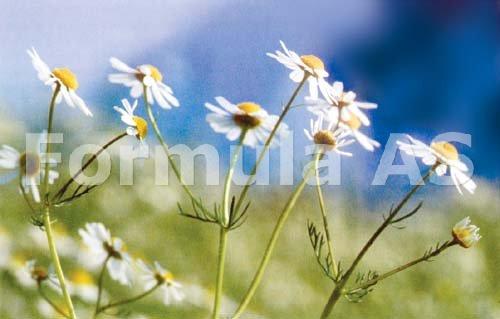
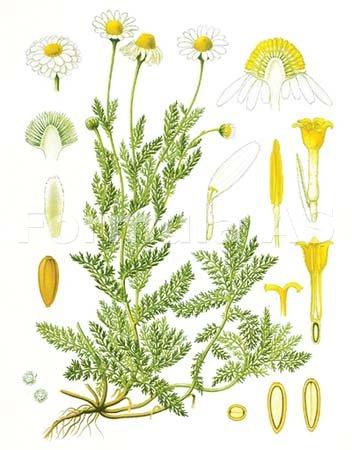
MUSETELUL
(Matricaria Chamomilla)

Semn planetar
: Soarele.

Este o planta modesta ca infatisare, dar deosebita prin miros si putere vindecatoare.

Cu petalele delicate si albe, insirate imprejurul unui banut auriu, Musetelul se afla printre plantele in care celebrul Plinius avea o incredere nestramutata, recomandand-o ca leac sigur, care vindeca muscaturi de sarpe, expulzeaza fetii morti din pantecul mamei si elimina pietrele la rinichi.

Datorita infatisarii lui vesele, a mirosului placut si a virtutilor medicale, Musetelul este pus in legatura cu Venus, zeita iubirii. Folosirea lui in antichitate
era legata tot de femei.

Banutul auriu, bombat si gol pe dinauntru, este simetric, ca simbol, cu colul uterin. De pe vremea celtilor si pana astazi, musetelul este un leac redutabil contra scurgerilor vaginale sau contra infectiilor cu fungi.

Indicatii terapeutice


Uz intern:


* Anxietate, atonie intestinala, migrene


Reteta: o lingurita de flori uscate se infuzeaza cu o cana de apa clocotita, vreme de 3 minute. Se bea o cana dupa fiecare masa principala. Se poate indulci cu miere.


* Tonic digestiv, gastrite, infectii urinare

LEACURI CELTICE

Reteta
: 3 lingurite de flori uscate se infuzeaza intr-o cana de apa clocotita, vreme de 10 minute. Se strecoara. Se beau 4 cani pe zi, inainte de fiecare masa principala.

Tinctura de musetel
: o lingura de flori uscate de musetel se lasa la macerat vreme de o saptamana, in 100 ml de alcool de 70 de grade. Se strecoara, se pune in sticlute de culoare inchisa si se pastreaza la frigider. Se beau 15 picaturi, puse intr-un sfert de pahar de apa, dupa mesele principale.

Uz extern:


* Dureri reumatismale, entorse, lovituri, dureri legate de sciatica sau de deplasarea vertebrelor


Se foloseste cu succes un unguent pe baza de musetel.


Ulei de musetel: se fierb pe baia de aburi, vreme de 2 ore si 30 de minute, 5 lingurite de flori uscate de musetel, in trei sferturi de litru de ulei de masline.
Se adauga un varf de cutit de Camfor. Se lasa sa se raceasca si se strecoara printr-un tifon. Se maseaza partile dureroase foarte incet, mereu de jos in sus.

* Eczeme


Reteta
: puneti 100 g flori de musetel intr-un saculet de tifon si lasati-l in baie, legat cu un siret de robinetul cu apa fierbinte. Asteptati pana ce apa devine suportabila si intrati in ea. Baia cu musetel aduce mai repede vindecarea, in boli de piele, dar si in caz de hemoroizi.

* Scurgeri vaginale, infectii cu ciuperci


Spalaturi vaginale cu decoct de musetel. Inlatura infectiile si mancarimile.


Reteta
: 2 linguri de flori de musetel se oparesc cu 250 ml apa clocotita. Se lasa la infuzat 15 minute, apoi se strecoara si se lasa sa se raceasca la temperatura corpului. Se amesteca cu 2 linguri de zer sau de otet de mere.

Se introduce lichidul intr-o seringa de unica folosinta, cu capacitatea de 10 ml, apoi se introduce in vagin. In cazurile acute de scurgeri vaginale se poate folosi de 2-3 ori pe zi.
LEACURI CELTICE
Nu exagerati cu remediul, pentru ca folosit prea des usuca mucoasa fina care captuseste vaginul.

Amestec de ulei eteric de musetel (se gaseste in pravaliile naturiste, dar se poate prepara si acasa, conform retetei de mai sus) cu iaurt.

Reteta
: 2 linguri de iaurt + 1 picatura de ulei de musetel. Se amesteca si se introduce in vagin, cel mai bine prin imbibarea unui tampon folosit in timpul menstruatiei.

In medicina celtica, se foloseau si compresele cu ceai concentrat de musetel, aplicate pe locurile bolnave, precum si baile de sezut in fiertura de musetel. Se foloseau scaldatoare din lemn de plop.

Avertisment:


Musetelul nu este o planta periculoasa, dar nu trebuie abuzat de el pe cale interna, pentru ca organismul se obisnuieste usor cu el si isi pierde calitatile vindecatoare. Amareala plantei se atenueaza adaugand o frunza de menta in ceai sau o lingurita de miere.


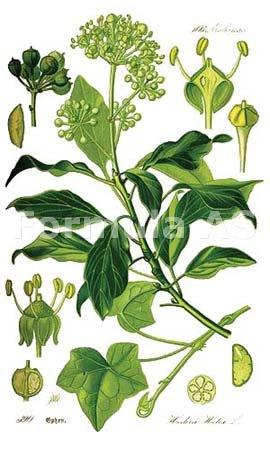
IEDERA

(Hedera Helix)

Semn planetar
: Soarele.
LEACURI CELTICE
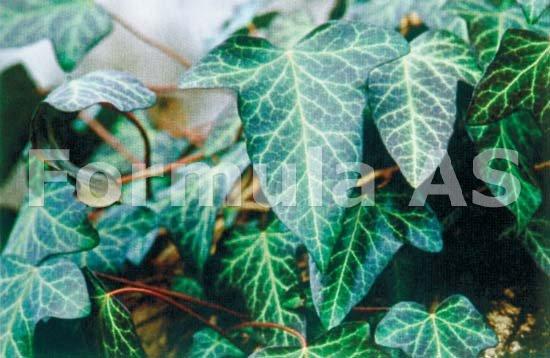
E prezenta aproape in toate padurile, agatata de trunchiurile copacilor, pe care le infasoara cu tulpina ei ca o sfoara, plina de frunze lucioase, colorate in verde inchis, care rezista si iarna.

Pentru ca se ridica pana la inaltimi de 20 de metri, parand ca vrea sa ajunga sus, in vazduh, druizii, preotii celtilor, considerau ca iedera este o planta ce face legatura intre cer si pamant, impletind fortele de vindecare ceresti cu cele terestre. O planta magica, ce leaga constientul de subconstient.

Ca toate plantele vesnic verzi, iedera reprezinta, si ea, principiul nemuririi, transmitand omului vitalitate si energie pe termen lung. In zonele unde ea crestea abundent, imbracand copacii in tufe, se credea ca sunt locuri cu iradieri negative, de care oamenii se fereau.

Prin asociere, celtii credeau ca iedera vindeca iradierile negative si are efect pozitiv asupra sistemului imunitar.

Culoarea laptoasa a vinisoarelor care o strabat formeaza desene ce pot fi asociate cu bronhiile, iar curgerea clorofilei prin ele seamana cu circulatia limfei.

Tot atatea similitudini care au impus folosirea terapeutica a iederei in boli de plamani, in blocaje de curgere a limfei, ca anti-inflamator, anti-cancerigen si stimulent al functiilor glandei tiroide.

Indicatii terapeutice


Uz intern:


*Guta, reumatism

Reteta
: 3 g de frunze proaspete se infuzeaza intr-un litru de apa, care se pune la fiert 3 minute. Se beau 3 cani de ceai pe zi, intre mese.

* Miomuri, sangerari puternice menstruale


Legenda spune ca faimoasa calugarita germana Hildegard van Bingen ar fi luat o reteta a preotilor druizi, pe care a perfectionat-o aducand-o la desavarsire. Uitata o vreme, ea a fost preluata de un medic german, dr. Claus Schulte, care a realizat o noua reteta, de mare efect. Iat-o:


Ingrediente
: 20 g marar, 20 g seminte de telina, 40 g frunze de iedera, 40 g radacina rasa de ghimbir, 40 g cuisoare, 40 g coada-soricelului.

Mod de preparare
: se amesteca toate ingredientele. Se pun 2 lingurite la o cana de apa clocotita. Se lasa in repaus 12 minute. Se strecoara. Se beau 3 cani pe zi, vreme de 6 saptamani, de doua ori pe an.

Uz extern:


* Contuzii, plagi cangrenoase


Reteta
: preparati un decoct din 3 g de frunze, puse pe foc intr-un litru de apa rece. Se tin pe foc 3 minute, se lasa sa se raceasca, apoi se strecoara. Se fac 4 aplicatii pe zi (2 dimineata, 2 dupa-amiaza), lasand locul sa se usuce la aer, vreme de 15 minute.

* Celulita


Se realizeaza un unguent foarte eficient, in modul urmator:


Reteta
: se amesteca frunze proaspete de iedera date prin mixer, cu tarate de grau, in proportie de 30-70%, adica un sfert de pahar de frunze tocate si restul tarate. Se toarna deasupra ulei de musetel, cat sa se obtina o pasta mai consistenta, care sa poata fi intinsa pe piele.

Se aplica de 3-4 ori pe zi, evitand eventualele inflamatii aflate pe piele.

Uleiul de musetel se obtine umpland o sticla, pana la gura, cu flori proaspete (acum e vremea lor!), peste care se toarna ulei vegetal extras la rece. Se lasa o saptamana la soare, dupa care se poate folosi.
LEACURI CELTICE


Avertisment:

Iedera trebuie utilizata cu precautie, cel mai bine sub control medical, pentru ca in exces poate deveni toxica. Infuziile administrate anarhic pot duce la ciroza hepatica.

Fructele sunt otravitoare. In caz ca sunt ingerate din greseala, de catre copii, trebuie sa li se dea sa bea imediat lapte si sa fie chemat medicul.
Iedera nu trebuie folosita de femeile insarcinate, nici intern, nici extern.
cybershamans (karmapolice) / CC BY-NC-ND 3.0
Share/Bookmark

Tuesday, July 12, 2011

Irish Soma


By Peter Lamborn Wilson

Many scholars believe that the Indo-Europeans used an entheogenic or psychedelic drug in their rituals -- called soma amongst the Vedic people of India, and haoma in Iran. The ancient Greeks also used an ergot-based preparation in wine as the entheogenic trigger of the Eleusinian Mysteries.

Soma has been identified as amanita muscaria or the fly agaric mushroom; haoma may have been the same, or it might be "wild rue," a harmaline-containing shrub (see Bibliography under Flattery and Schwartz). If there's any truth to these theories, we would expect to find that other Indo-European peoples also used such drugs shamanically or ritually.

Terrence McKenna believes that psilocybe was once even more widely distributed than it is now, and therefore must also be considered in the soma context. Certainly entheogenic religions are far more thoroughly attested today than when Wasson launched ethnomycology with his "wild" speculations, which now seem rather conservative.

Even if we cannot accept the "psychedelic experience" as the origin of religion, I believe that we must certainly see it as one of a complex of "origins", a complexity which might best be expressed in a palimpsest of theories about those origins.

In short, I would maintain that the failure to consider entheogenesis ("birth of the god within" by ingestion of psychotropic substances) must be considered a serious flaw in any integral History of Religion.

I consider it strange that in all the writing I've read about psychedelics, and about Ireland, not one text has connected the two subjects. My reading is of course far from complete, and my first query concerns this point. I can scarcely believe that I'm the first to consider the question of a soma cult amongst the Celts, those old-fashioned Indo-Europeans so loyal to ancient ways -- and so fond of intoxication.

An immediate presumption would be that the Celts lost soma, if they ever had it, when they migrated West from the Indo-European heartland; at best, they may have developed mead as a substitute. I know of no reference to intoxicants other than alcohol in use among the Celts, who in fact quickly became major importers of Mediterranean wines.

We know, however, that a vast amount of orally-transmitted Druid lore is lost beyond recall, and we als/o know how entheogenic cults can thrive under the very nose of "civilization" and not be noticed (as in Latin America).

Wasson and his school have demonstrated how mushroom language tends to be euphemized, masked, coded, buried in etymologies and even "false" etymologies. If we are to speculate about the possible existence of a Celtic -- specifically Irish -- soma, we must exercise a bit of detective work. Using some of their findings as possible structures for our exegesis, we can go back and read our texts over again and hope for a few glimmerings or clues.

Irish myths and legends were not written down till the Christian era, and then only by monks who might well have misunderstood or even censored any references to a soma-type substance or cult. By that time, any entheogenic knowledge or ritual once possessed by druids might well have already vanished (or retreated into folklore), and the memory of soma distorted beyond recognition.

Any mushroom lore that survived till the ninth to twelfth centuries A.D. would be the province of illiterate peasant wise-women and wizards -- not of literate monks. For this reason we can expect that the myths and legends of the monkish manuscripts will be hard to read from our special perspective. But Irish folklore, as distinct from myths and legends, may prove a much clearer source.

For reasons known to folklorists, Ireland is a special case of the survival of Indo-European lore, comparable perhaps only to India. In fact, Indian material should be used to throw light on Irish material where areas of darkness exist. From this point of view I think we can take for granted that whatever we may find in Ireland that looks like soma, and smells like soma, so to speak, might very well be soma, although we may never be able to prove the identity. But the well-known affinity between Celtic and Vedic cultures should pre-dispose us to at least a certain open-mindedness.

The Irish material abounds in references to magical substances which bestow knowledge and/or pleasure when ingested. Perhaps the best-known are the hazelnuts of wisdom, eaten by the Salmon, fished up by the Druid, and cooked by young Finn--who, as "sorcerer's apprentice", burns his thumb on the Salmon's skin, sticks thumb in mouth, and attains all the wisdom in his master's stead.

The "shamanic" overtones of this story are quite obvious. Turning to the older manuscripts, we have the enigmatic "Geste of Fraoch" [1], concerning the hero Fraoch who is half-fairy (Sidh) in origin. His sister is the nymph of the River Boyne. He seeks to marry Find-abair, daughter of Aillil and Maeve, the witch-queen.

He arrives at their kingdom with his retinue and impresses everyone with his beauty, and his skill at music and chess. Find-abair falls in love with him. They meet secretly and she gives him her gold thumb-ring. Aillil and Maeve agree to the wedding, but secretly plot the hero's destruction. Maeve invites Fraoch to bathe in her magic spring.

Growing on its bank is the rowan tree.

Every fourth and every month
Ripe fruit the rowan bore:
Fruit more sweet than honey-comb;
Its clusters' virtues strong,
Its berries red could one but taste
Hunger they staved off long.

Rowan Berry juice could preserve life and cure dread disease. Maeve, sitting on the shore, begs Fraoch to swim over and pluck some berries for her. As she well knows, the rowan-berries are guarded by a dragon (or water-serpent), who attacks Fraoch. In one version, the beast kills him.

In another version, as Maeve, her daughter, and the court ladies enjoy the sight of Fraoch sporting naked in the pool, Aillil steals the gold thumb-ring from Fraoch's purse, shows it to Maeve, and throws it into the water. Fraoch notices this, and also notices that a salmon gulps down the ring.

Without anyone seeing him, he catches the fish barehanded, and hides it "a hidden spot by the brink" of the water. Thereupon Maeve demands the rowan-berries; Fraoch complies; the monster appears. Find-abair strips to the buff and leaps into the water with a sword, which she tosses to her lover. He slays the beast. Aillil and Maeve now plot the death of their own daughter.

A ritual bath is prepared for Fraoch, "of fresh-bacon broth and heifer-flesh minced in it," a sign that he will be raised to royal status. Afterwards a feast is organized. During the feast Aillil orders that all his treasures be brought out and displayed.

In order to complete this vulgar show, he demands that Find-abair produce her gold thumb-ring; when she fails to do so he threatens her with death. But Fraoch has meanwhile retrieved the salmon from its hiding-place and given it to Find-abair's maid to cook. The girl brings in the fish, "broiled..., well prepared with honey dressing." The ring is of course discovered. Aillil and Maeve are foiled.

In this version the tale ends happily. Ignoring the temptation to unpack too many clues from this story, we should confine ourselves to asking whether or not it can be read for possible ritual content.

The sacred pool, the sacred tree, the combat (which can be seen as a sacrifice, either of Fraoch or of a substitute, the salmon, or of the monster), the beef-and-bacon bath -- during which a chorus of fairy women (Fraoch's sister Boyne and her maidens) appear and sing. All these motifs suggest that our legend is (at least in part) a masked ritual.

In that case, the berries may also have a ritual significance. The salmon (with honey) and the thumb ring remind us of the shamanic complex again. The old manuscripts also preserve a number of imrama, or sea-going voyage-tales: the voyages of St. Brendan, of Bran, of Maeldun, and of the O'Corra brothers.

The sailors in these romances find many marvelous islands, and on some of these islands they find marvelous fruits -- some poisonous, some euphoriant, and some which stave off hunger. In "the voyage of the sons of O'Corra," for example, they visit an island whose trees are "laden with fruit, and the leaves dropped honey to the ground.

In the midst of the island was a pretty lake, whose waters tasted like sweet wine. But after a week of rest by its shores, a "monstrous reptile rose up from the lake, and looked at them." The monster, however, disappears without harming them. [2]

Maeldun and his crew also experience an "Isle of Intoxicating Wine Fruits:"

They were now a long time tossed about on the great billows, when at length they came in view of an island with many trees on it. These trees were somewhat like hazels, and they were laden with a kind of fruit which the voyagers had not seen before, extremely large, and not very different in appearance from apples, except that they had a rough, berry-like rind.

After the crew had plucked all the fruit off one small tree, they cast lots who should try them, and the lot fell on Maildun. So he took some of them, and, squeezing the juice into a vessel, drank it. It threw him into a sleep of intoxication so deep that he seemed to be in a trance rather than in a natural slumber, without breath or motion, and with the red foam on his lips.

And from that hour till the same hour next day, no one could tell whether he was living or dead. When he awoke next day, he bade his people to gather as much of the fruit as they could bring away with them; for the world, as he told them, never produced anything of such surpassing goodness.

They pressed out the juice of the fruit till they had filled all their vessels; and so powerful was it to produce intoxication and sleep, that, before drinking it, they had to mix a large quantity of water with it to moderate its strength.
St. Brendan seems to have visited the same island but, being a saint, he failed to experience the deep trance and euphoria of the more worldly Maeldun. [3] Note that the color of the magic substance is usually red. Even hazelnuts are "reddened" by association with salmon-flesh.

Maeldun sees red apple-like or nut-like fruit with a rough rind -- which could be an accurate description of a fly-agaric "toadstool" or its dried cap. Maeldun's squeezing of the juice reminds us directly of Vedic soma-ritual, and the warning to cut the juice with water reminds us of the Greek injunction to mix certain "wines" twenty-to-one with water, lest they be too powerful -- obviously not wine as we now know it, as C. Ruck points out in Persephone's Quest. [4]

Persephone's Quest is the book which sparked my intention to draft this query. The specific impetus rose from Ruck's brilliant essay on "The Offerings from the Hyperboreans," i.e., the votive offerings sent from the semi-mythical land of Hyperborea to Apollo's shrine oracle at Delos.

In this text, Ruck makes no mention of the often-repeated but not very convincing identification of Hyperborea as Ireland, or the insular-Celtic lands in general. The route taken by the offering (a sheaf of wheat hiding some other plant, apparently), is traced by three ancient authors, who all place Hyperborea beyond the Danube and beyond Scythia, near the Altai Mountains.

This might locate Hyperborea somewhere near the vague (and controversial) origin-point of the Indo-Europeans and hence of the Celts. A Siberian origin for the Indo-Europeans is strengthened by Vedic references and a mass of other material which must not detain us here.

Suffice to say that the "Hyperboreans" are very close to the area in which A. muscaria still provides the entheogenic juice for shamanic practice. Ruck marshals a great deal of circumstantial evidence to identify the offerings as fly agaric, dried and wrapped in straw.

A possible historical connection between Hyperborea and the Celts, however fascinating, will not serve our purpose so well, however, as Ruck's discussion of a certain tribe living along the route of the offerings and involved with their delivery, the Arimaspeans.

Their name, in the Scythian language, supposedly describes them as a one-eyed people, akin to gorgons and griffins. A number of other one-eyed and/or one-legged races appear in the story of Apollo and the Hyperboreans--for example, the Telchines, magic metallurgists "with a reputation for sorcery and drugs" [5], masters of herbalism and the "evil eye". Ruck explains:

"The fungus of the Hyperborean homeland would have come ... from the wooded slopes of the Altai Mountains, where conifers and birch abound, an environment, therefore, where Amanita muscaria is commonly found.

Presumably, it would have fruited in the autumn and been preserved by drying so that it could be conveyed over the long journey, wrapped in straw, to arrive on Delos in late spring along with the other offerings of first fruits. Is there anything, we must now ask, in the Apolline traditions that might suggest that this was the identity of the secret plant?

The one-eyed Arimaspeans, who, as we have seen, were either just another name for the Hyperboreans or, as a separate people, were the first intermediaries in the transmission of the subterranean gold that was mined by the griffins. [They] are a personification of one of the attributes of soma as the "single eye."

So, therefore, are the Cyclopes, whose murder as primitive surrogate occasioned Apollo's expiatory sojourn amongst the people of his northern homeland. There were two versions of these Cyclopes, and the Anatolian ones probably arose from a separate dissemination of the metaphor through Asia Minor, where the later discredited Lycian Telchines display the same attribute as their evil eye.

These one-eyed creatures are a variant of another attribute of soma as the figure with a single foot, a characteristic of a supposed race of people called the Shade-foots, who came from the Indus valley and were fancifully implicated, according to Aristophanes6 in a profane celebration of the Lesser Eleusinian Mystery.

It appears that the Arimaspeans may have come from the same general region, for Herodotus's supposed Scythian etymology of their name is probably not correct, but they were really an Iranian tribe, called the Argempaioi or Argimpasoi. All these fabulous creatures can be traced to fungal manifestations and testify strongly that it was some kind of mushroom, if not actually Amanita, that was originally the Hyperborean plant.

In its Hesperidean version, the plant bears still another attribute of soma as the 'mainstay of the sky', which is the role that Atlas plays as 'pillar of heaven' in the west [7], just as his Titanic brother in the east, Prometheus, when presented as a Shade-foot, impersonates the sacred plant as a "parasol," which is the same Sanskrit word as mushroom. The single-footed trait can also be seen in certain Greek heroes who, like Oedipus, have mythical roles as Apolline surrogates."

The Shade-foots were also known as Monocoli or "One-legs". [8] This latter name is particularly interesting because when we find these people in modern times, they will be a particular plant involved in Asiatic shamanism.

Monocoli in Greek was an epithet of plants. In modern times, the prodigious strength of their single leg will also be remembered from ancient traditions.

In his own essay, "Persephone's Quest," Wasson also discusses a number of one-eyed, one-footed beings from various folkloric and iconographic sources, including the Cyclopes, and soma itself, which is described in Vedic Sanskrit as Aja Ekapad, "Not-born Single-foot."

Mushrooms are "not born" because they have no seed; they are caused by lightning bolts. And mushrooms are single-footed, of course. The penis is the "one-eyed serpent," and the mushroom is a penis. Folklore can be scoured endlessly to rake up further examples; Wasson's point is that one-eyed one-legged beings are to be decoded as mushrooms, at least in certain contexts.

The Irish also have a one-legged one-eyed race in their past: the Fomoire or Fomorians. In some legendary histories they seem to be the very oldest inhabitants of the island, but still they come from elsewhere, either "from the sea" (but "sea" is probably a false etymology for their name, fomorian); or else they invaded Ireland from Africa.

In some tales the Fomorians live under the sea (like Chinese dragons) or else more prosaically on Tory Island. Sometimes they are giants, and moreover they can appear as one-eyed one-footed giants. Sometimes they appear to be a race of wizards, "human" enough to inter-marry with the Tuatha de Danaan (who, however, aren't all that human themselves).

In fact the half-breed King Bres, who causes war between the two races10 is described as the most beautiful youth in Ireland -- even though the Fomoire are usually depicted as ugly, low, hideous, deformed, etc.

One gets the impression that the Fomorians represent a pre-Celtic Irish race, and that we are seeing them through the texts of the Celts, who invaded their land and subdued them, and now wish to present them as villains, boors, snake-worshippers, or even nonhuman monsters. This is a universal theme in folklore, which often seems to harbor memories of an archaic "us/them" situation.

Ultimately it may lead us back to the emergence of agricultural peoples and their "conquest" and enslavement of hunter/gatherer tribes -- i.e., back to the very beginnings of civilization and history.

The Fomorians, who are connected with the megaliths by folklore, and who survive to play roles as ogres and giants in Irish fairy tales, may have been remnants of the great Atlantic Megalithic peoples, who created the culture of New Grange and Stonehenge long before the Celts arrived in Europe.

The marginalized "race" or "caste" survives as tinkers (primitive metallurgists, perennial outsiders), minstrels, vagabonds, fortune-tellers, herbalists, servants, grooms, prostitutes, wizards. Much later in history the Celts will undergo the same marginalization by new "invading races"--the Fomorization of the Celts, as it were.

What interests us here, however, is not the fate of the Fomorians but their special role as one-eyed shade-foots -- i.e., their role in folklore. Whatever their other qualities in history, myth, or legend, they are clearly "Arimaspeans", and hence are to be suspected of kinship with mushrooms.

And if hazelnuts, or red berries, are used to "mask" the mushroom in Irish tradition, we should look for Fomorians lurking somewhere in the underbrush near the sacred tree.

Just such a conjunction occurs in the saga of Dermat and Grania, which in turn forms part of the Finnian Cycle. [11] The hero and heroine are fleeing from the jealous wrath of Finn himself. Their flight takes them all over Scotland and Ireland, where many dolmens are still called "beds" of Dermat and Grania.

At one point they come to the Forest of Dooros (a name containing the Celtic word for "oak" and thus identifiable as a druid grove) in the district of HyFicra of the Moy (later known as the barony of Tireagh, in Sligo). At this time the forest was guarded by Sharvan the Surly, a giant of Lochlann.

"Now this is the history of Sharvan the Surly, of Lochlann. On a certain occasion, a game of hurley was played by the Dedannans against the Fena, on the plain beside the Lake of Lein of the Crooked Teeth.

They played for three days and three nights, neither side being able to win a single goal from the other during the whole time. And when Dedannans found that they could not overcome the Fena, they suddenly withdrew from the contest, and departed from the lake, journeying in a body northwards.

The Dedannans had for food during the game, and for their journey afterwards, crimson nuts and arbutus apples and scarlet quicken berries, which they had brought from the Land of Promise. These fruits were gifted with many secret virtues; and the Dedannans were careful that neither apple nor nut nor berry should touch the soil of Erin.

But as they passed through the Wood of Dooros, in Hy Ficra of the Moy, one of the scarlet quicken berries dropped on the earth; and the Dedannans passed on, not heeding. From this berry a great quicken tree sprang up, which had the virtues of the quicken trees that grow in Fairyland.

For its berries had the taste of honey, and those who ate of them felt a cheerful flow of spirits, as if they had drunk of wine or old mead; and if a man were even a hundred years old, he returned to the age of thirty, as soon as he had eaten three of them.

Now when the Dedannans heard of this tree, and knew of its many virtues, they would not that any one should eat of the berries but themselves; and they sent a Fomor of their own people to guard it, namely Sharvan the Surly, of Lochlann; so that no man dared even to approach it.

For this Sharvan was a giant of the race of the wicked Cain, burly and strong; with heavy bones, large thick nose, crooked teeth, and one broad, red, fiery eye in the middle of his black forehead. And he had a great club tied by a chain to an iron girdle which was round his body.

He was, moreover, so skilled in magic that fire could not burn him, water could not drown him, and weapons could not wound him; and there was no way to kill him but by giving him three blows of his own club. By day he sat at the foot of the tree, watching; and at night he slept in a hut he had made for himself, high up among the branches"

The Fena or Finnians or followers of Finn are Milesians, the last Iron Age Celts to arrive in Ireland. The Tuatha De Danaan are an earlier people, perhaps also Celtic but Bronze Age. The De Danaan have magical power, and after their final defeat by the Milesians they will retire into the megalithic mounds, such as the Brugh na Boine at Newgrange (which in this tale is the Castle of Angus, the god of love, patron of Dermat and Grania).

They are in fact the fairies.
The land of Promise or Land of Youth or Tirnanog, etc., is the mundus imaginalis or fairyland, Isles of the Blessed, Hy Brasil, etc. -- the spirit land where the De Danaan are also "at home". This is the origin of the various "crimson nuts and arbutus apples and scarlet quicken berries," which are not native to Ireland but to the "other world," the place where shamans go in trance.

The quicken tree is the "quicken beam or mountain ash, or roan-tree; Gaelic Caerthainn," a tree holy to the druids. The tree with its red fruit guarded by a giant recalls the Golden Fleece and the Golden Apples of the Hesperides; it is thus the world-axis, the shamanic ladder, and also the tree beneath which one finds fly agaric.

It is the beanstalk, Alice's tunnel to Wonderland, and all other liminal structures or gateways between levels. The fruit of the tree, like that of the tree of the knowledge of Good and Evil in Genesis, is the principle of transformation and realization; it is the sacrifice; and it is soma. This will become more clear as the tale unfolds.

Dermat makes a peace-pact with Sharvan the Surly: refuge in the Forest, so long as Dermat keeps his hands off the quicken berries. For a while all goes well. Meanwhile, Finn receives an offer of fealty from two former enemies, the sons of Morna. Before he forgives them, however, he demands an erc, or blood-price: either "the head of a warrior, or the full of my hand of the berries of a quicken tree."

Finn's son Oisin takes pity on the sons of Morna and explains the situation to them; nevertheless they undertake the quest and set out for the Forest of Dooros. Dermat easily overcomes them. Meanwhile Grania has developed an overwhelming obsession with the berries: she must taste them, or perish.

Reluctantly Dermat sets out to find Sharvan, taking the sons of Morna along as witnesses. The giant is asleep; Dermat whacks him on the head and rouses him. The hero asks for berries, the Fomor refuses. They fight a ferocious duel, and Sharvan is slain by three blows of his own club (just as the soma was sacrificed by pressing or "wounding" the plant).

Dermat orders the sons of Morna to bury the corpse while he goes to fetch Grania.

Dermat then satisfies Grania's desire, and also gives berries to the sons of Morna, who thank him profusely for sparing their lives, and set off to return to Finn. Dermat and Grania take over Sharvan's tree-house high in the branches of the fairy-quicken, and settle down in bliss again.

Finn explodes with fury, rouses his loyal and not-so-loyal followers, and sets out to capture Dermat and Grania in their lair. They arrive at the Forest and find the tree, but no sign of the lovers. They gorge on fruit, and then settle down to wait. Finn and Oisin play chess beneath the tree. Time passes.

Finn tells Oisin that he can win in one move, but Oisin can't see the move. He ponders endlessly. Suddenly a quicken-fruit falls ripely onto the chessboard, as if to show Oisin the correct move; he makes it and wins. They play again, and the same thing happens: wisdom falls from the tree as fruit: Oisin wins. And a third time!

Finn finally realizes what's up. He calls up into the tree, and Dermat answers from the treehouse. In a fury, Finn orders his men to surround the tree -- then offers a huge reward for the head of Dermat O'Dyna. At this point nine men, all called Garva (and all hailing from various mountains around Ireland) attempt the coup against Dermat, but they all fail.

The love-god Angus -- deus ex megalitha -- has flown invisibly from Newgrange to save his worshippers, Dermat and Grania. As each Garva climbs the tree, Angus casts a spell over him so that he appears to be Dermat. Each Garva is then pushed from the tree by the real Dermat, falls to the ground, is mistaken for the enemy, and at once beheaded.

The Garvas might be related to the Ghandarvas, who appropriated soma from the gods and became its guardians. [12]

Angus then wraps Grania in his cloak of invisibility and flies off with her to Bruga of the Boyne. Dermat decides to stay behind, do the honorable thing and fight his way out. He makes a speech in in self-defense, and the great hero Oscar is converted to sympathy with him.

Oscar offers his life as surety for Dermat's, but to one dares to fight him. Dermat leaps lightly out of the tree, lands on his two spear shafts, pole-vaults over the heads of Finn's circle, and escapes with Oscar. He and Grania wll live to flee Finn again and again -- and eventually die at his hands.

On the assumption that the fairy-fruit of the quicken-tree is indeed soma, and that as soma it must be associated with a ritual, with a sacrifice (of itself), and with transcendence (either ritual or pharmacological), this charming tale would appear to function as a "mask" for just such a ritual.

The berry is constantly equated with the head. The Celts were head-hunters, very much like the Dyaks of Borneo, the Guarani of Paraguay, etc. All wisdom and power are in the head. Because Dermat has taken on (or stolen) the wisdom of Sharvan by "dashing out his brains" (no doubt beheading him), Dermat acquires insight.

In this heightened state, he plays the near-magic trick with the fruit and the chess-board, thrice-repeated. This foreshadows the thrice three heads of the Garvas, which will also (in a sense) fall ripely from the tree.

The one-legged one-eyed Fomor loses his head like a berry. Dermat should be the next sacrifice (like Gawain after the Green knight) but a substitution is made "at the last moment" (as usual). Nine mountain-men's heads are sacrificed -- nine more berries, as it were -- in Dermat's place.

In the original tale, Dermat (like Grania) would no doubt have ascended the tree and escaped into the "other world"; instead another substitution (or "rationalization") is made, the acrobatic spear-leap. The point is, Dermat flies. He goes above. He transcends.

He has shamanic powers, gained (or reinforced) by his overcoming and absorption of Fomorian/Fairy magic.

The tale of Sharvan the Surly is just that, a tale, not the text of a ritual. Nevertheless folktales have been known to "mask" myths, which in turn may serve as aetiological legends for certain rites, which in turn may derive in part from earlier myth, ritual, or lore. This particular tale seems to contain such ritual elements.

The structure of the tale and many of its details might well pre-date its inclusion in the Finnian Cycle; any hero might experience such an adventure. And the Finnian Cycle itself seems to have roots in a past so distant that agriculture has not yet appeared, a world of pastoralism and hunting/gathering.

Finn and his "merrymen" are anachronisms, free forest guerrillas held by only a slender link of reciprocity with settled society, and perilously close to that taboo realm of sorcery and alien otherness, the Forest.

The world of Sharvan the Surly seems an archaic one indeed, ancient enough to contain traces of the soma ritual once common to all Indo-European people, as well as to the Semites, the Siberians and the New World Indians, etc.

That's my hypothesis. I wouldn't even begin to argue that we have "detected" an Irish soma. What we have here is a mere suspicion, not a case. I'm looking for support and/or refutation. A number of queries must be directed to specialists.

From philologists we need exhaustive comparisons of mushroom and soma/haoma vocabulary from all the relevant languages, such as that which Allegro carried out for the Semitic languages in The Mushroom and the Cross. Celtic, Persian, and Sanskrit should be the main candidates for word-sleuthing.

The Vedic soma ritual needs to be compared in detail with all texts and fragments from Celtic sources relevant to magic substances.

Ethnomycologists should investigate Irish (and insular Celtic) mushroom lore. Does Amanita muscaria grow in Ireland, and might it have grown in Ireland in ancient times? I've never come across any written material on this, but during my last trip to Ireland (May, 1993) I made a few discoveries.

At least one magic mushroom grows in Ireland, the "Liberty Cap," a type of psilocybe; I saw it grown at a mushroom farm in County Cork, but it is also found wild. Subsequently, in a village on the coast of the province of Munster, I interviewed a certain well-known shanachie or traditional story-teller, who must remain anonymous here due to his involvement in gun-running and pot-farming (neither very successful).

"Mick" is said to speak the purest Irish in the southern Gaeltecht--and (somewhat magically) is reputed to live on nothing but pigsfeet and Guinness. In response to my query, he stated that magic mushrooms were known in Ireland in the time of the druids, and he agreed with me that "this explains a lot" about the druids!

Since I'd been introduced to Mick by an old friend of his, I doubt he was trying to pull my leg; certainly he failed to elaborate on his statement, which he appeared to think was rather unexceptional.

Yes, it would explain a lot--but itself needs to be explained! Therefore, I ask for collaboration. The answer (however tenuous) seems genuinely worth knowing.

Peter Lamborn Wilson,
c/o Autonomedia, Box 568 Brooklyn, NY 11211
dmandl@panix.com

FOOTNOTES

1. v. the Celtic Dragon Myth, J. F. Campbell and G. Henderson [Edinburgh, 1911]; Lemma Publisher, New York, facsimile, n.d.

2. Joyce, 421; see bibliography.

3. The Voyage of St. Brendan, translated by J. O'Meara [Dolmen Press, 1976], pp. 46-47.

4. Persephone's Quest: Entheogens and the Origins of Religion, a collection of essays by Wasson, Stella Kramrisch, J. Ott, Carl Ruck, and Wendy Doniger O'Flaherty (Yale, New Haven, 1986)

5. Ruck, p. 236

6. Birds, 1553 ff.

7. Aeschylus, Prometheus 351

8. Pliny, Natural History 7.2.23; Aulus Gellius 9.4.9

9. Theophrastus, How Plants Grow, 2.25, Enquiry into Plants, 9.18.8

10. In the Cath Maige Tuired, or Second Battle of Mag Tuired, ed. E.A. Gray [Irish Texts Society, Naas, Co Kildare, 1982])

11. Joyce, 313 ff

12. See "The True Identity of soma" in M. T. Greene, Natural knowledge in Preclassical Antiquity (J. Hopkins University, 1992), p. 116.]

BIBLIOGRAPHY

Court, Artelia, Puck of the Droms: the Lives and Literature of the Irish Tinkers (University of California,1985).

Davies, Michael, Mythic Ireland (Thames and Hudson, London, 1992).

Flattery, David S., and Martin Schwartz, Haoma and Harmaline: The Botanical Identity of the Indo-Iranian Sacred Hallucinogen soma and its Legacy in Religion, Language, and Middle Eastern Folklore (University of California, Near Eastern Studies #21, 1989).

Joyce, P.W., Old Celtic Romances (Gill and Macmillan, Dublin, 1978; facsimile from the 3rd edition, 1907).

MacCana, Proinsias, Celtic Mythology (P. Bedrick, NY, 1968, 1983).

O'Driscoll, R, ed., The Celtic Consciousness (Geo. Braziller, NY, 1981); contains "Near Eastern and African Connections with the Celtic World" by Heinrich Wagner, and "Irish Folk Tradition and the Celtic Calendar" by Kevin Danaher.

Quinn, Bob, Atlantean: Ireland's North African and Maritime Heritage (Quartet Books, London, 1986)

Rees, Alwyn and Brinley, Celtic Heritage (Thames and Hudson, London, 1961).

cybershamans (karmapolice) / CC BY-NC-ND 3.0

Tuesday, May 17, 2011

Giant’s Causeway – Podul de piatră al uriaşilor celtici

Share/Bookmark

Giant’s Causeway – Podul de piatră al uriaşilor celtici

Dacă vă întrebaţi care este cel mai popular obiectiv turistic al Irlandei de Nord, sau care este cel mai important simbol pentru toţi irlandezii... ei bine, nu este celebrul whiskey irlandez, nici măcar harpa barzilor celţi, faimoasa frunză verde de trifoi sau pleiada de zâne, eroi sau spiriduşi din mitologia insulei verzi a lui Eire. Nu. Dacă vreţi să luaţi contact cu esenţa acestui ţinut cu o cultură şi istorie originală şi fascinantă, atunci trebuie neapărat să vizitaţi podul de piatră al uriaşilor Fionn şi Benandonner!


Podul de bazalt din ocean

Frumoasa, strania şi melodioasa limbă irlandeză are o denumire cum nu se poate mai potrivită pentru interesantul fenomen natural, cunoscut sub numele de Giant's Causeway. Bunăoară, în limba barzilor eroului mitic Cuchulainn, promontoriul stâncos care se pierde în apa Atlanticului se cheamă Clochan an Aifir sau, dacă vreţi să vă doară limba, Clochan na bhFomharach...

Ciudatele formaţiuni stâncoase, reprezentate de circa 40.000 de coloane de bazalt, ocupă o suprafaţă de doar 0,7 kilometri pătraţi. Dar ceea ce pierd prin dimensiune, compensează din plin prin frumuseţe, unicitate şi, mai ales, istorie, mitologie şi folclor local.

Dacă sunteţi cumva în Irlanda de Nord (mai precis, în regiunea denumită Ulster-ul britanic şi deţinută încă de Coroana Britanică), trebuie să vizitaţi neapărat acest loc deosebit, scoborăt parcă din vechile legende celtice. Giant's Causeway este situat pe litoralul marin de nord-est al Ulsterului, în comitatul Antrim, la aproape 5 kilometri distanţă de oraşul Bushmills.

Geneza geologică a formaţiunilor este aproape la fel de interesantă precum miturile legate de apariţia lor. Acum circa 60 milioane ani, în Terţiarul timpuriu, perioada Paleogenului, locul unde astăzi se întinde molcomul şi liniştitul comitat Antrim era răvăşit de o intensă activitate vulcanică. Atunci, rocile de bazalt incandescente s-au scurs treptat prin fisurile rocilor sedimentare din regiune, pentru a forma, mai apoi, un întins platou de lavă, care astăzi constituie întreaga linie costieră Causeway.

Conform studiilor geologice, întregul proces a implicat trei scurgeri succesive de lavă, cunoscute sub numele de Bazaltele Primare, Mijlocii şi Superioare. Scurgerile bazaltice mijlocii sunt cele care dat naştere coloanelor care formează, în prezent, complexul geologic Giant's Causeway. Odată cu răcirea rapidă a lavei, contracţiile acesteia, determinate de variaţiile de temperatură înregistrate de-a lungul timpului, au dus la definitivarea formelor actuale. Contracţiile pe direcţia verticală au dus la reducerea vâscozităţii lavei, fără ruperea coloanelor proaspăt ridicate; contracţiile pe orizontală nu au dus nici ele la ruperea coloanelor, ci au provocat doar fisuri adânci în stratul primar de lavă. Mărimea coloanelor este determinată, în general, de viteza cu care s-a răcit lava.

Pe scurt, modelul fascinant vizibil astăzi este un rezultat al cristalizării rocii sub acţiunea răcirii accelerate. Acest fenomen apare, de obicei, atunci când lava topită intră în contact brusc cu apa oceanului, cum se întâmplă şi astăzi în Hawaii. Răcirea imediată provoacă fisuri, uneori şanţuri adânci, cum sunt cele din Causeway. Marea majoritate a coloanelor de bazalt prezintă o secţiune orizontală de formă hexagonală, altele fiind de formă penta-, hepta- sau octogonală. Coloanele hexagonale se întâlnesc în stratul mijlociu de bazalte, formaţiuni de aceeaşi vârstă geologică putând fi admirate în Peştera lui Fingal din Staffa, Scoţia.

O mică parte dintre coloane au o formă predominant rotunjită, cauzată de ploi, vânturi şi variaţiile sezoniere de temperatură, fiind denumite de localnici "Ochii Giganţilor" .

Alte grupări de coloane au primit nume la fel de sugestive, precum Hornurile, Harpa, Orga sau Cocoaşa Cămilei.

Doi giganţi orgolioşi şi o femeie înţeleaptă

Dacă varianta ştiinţifică a genezei podului de bazalt ne explică, oarecum sec, că originea Giant's Causeway este una pur vulcanică, bogatul imaginar mitologic celtic are propriile sale variante, mult mai captivante, referitoare la naşterea punţii de coloane negre care pare a lega Irlanda de Scoţia.

Povestirile cu pricina fac parte dintr-un important ciclu epic apărut în secolul III d. Hr., în provinciile Leinster şi Munster.

Denumită Ciclul Fenian, această veche culegere de povestiri şi legende irlandeze este axată pe faptele şi istoriile războinicilor şi eroilor celtici din Insula Verde.

Unul dintre cei mai mari (la propriu şi la figurat) eroi ai miturilor irlandeze este războinicul uriaş Fionn mac Cumhaill, botezat de vecinii scoţieni Finn McCool.

Fionn este, în multe privinţe, corespondentul irlandez al regelui mitologic al britonilor, mult mai celebrul Rege Arthur.

Fionn era conducătorul grupului Fianna - o confrerie a războinicilor de elită iralndezi, a căror singură datorie era aceea de a-i apăra, cu orice preţ, pe regii Insulei Verzi. Personajul este omniprezent în eposul celtic irlandez, vechi barzi creditându-l ca fiind responsabil de apariţia podului de roci bazaltice admirat astăzi de milioane de turişti.

Legendele spun că Fionn a construit Giant's Causeway pentru a avea, astfel, un pod natural care să-i fi permis accesul în Scoţia. Acolo, Fionn urma să se lupte cu un alt uriaş, temutul Benandonner.

Conform celei mai cunoscute versiuni a poveştii, Fionn mac Cumhaill trebăluia, într-o bună zi, pe coasta nordică a regatului irlandez. Atunci, uriaşul scoţian l-a zărit şi a început să-l ridiculizeze, făcând haz pe seama lui şi imitându-l în batjocură.

Turbat de furie, Fionn reacţionează în clasica tradiţie a popoarelor războinice din nordul Europei: smulge hotărât o stâncă şi o aruncă pe ţărmul scoţian, unde Benanndoner se prăpădea de râs.

Acum nu mai era cale de întors. Conform obiceiurilor celtice, dacă un războinic aruncă un bolovan mare spre un alt luptător, lupta este gata, deoarece nu se poate închipui o provocare mai mare decât acest gest al forţei şi curajului. Lezat, uriaşul scoţian aruncă, la rândul său, o stâncă spre Fionn, strigându-i acestuia că dacă pune cumva mâna pe el, Irlanda va rămâne fără gardian...

Benandonner încheie ironic asigurându-l pe Fionn că numai faptul că nu ştia să înoate îl salvează pe acesta din urmă de o lecţie umilitoare. Turbat de furie, Fionn se apucă să smulgă bucăţi de stâncă, pe care le aruncă în ocean, creând, astfel, un pod natural de pietre către Scoţia, astfel încât uriaşul Benandonner să nu mai aibă nicio scuză.

Din teama de a-şi pierde reputaţia printre tovarăşii săi giganţi din Scoţia, Benandonner se apucă să traverseze podul de pietre făcut în pripă de Fionn. Acesta, obosit de efortul depus, adormise pe malul irlandez. S-a trezit totuşi la timp, din cauza zgomotului făcut de paşii lui Benandonner. Ocazie cu care descoperă, cu surprindere, că Benandonner era de două ori mai solid decât el. De la distanţă, nu părea atât de mare...

Salvarea inconştientului Fionn a venit... de unde credeţi? De la o femeie.

Văzând ce se întâmplase, soţia sa, Oonagh, a aruncat o pătură peste Fionn, înainte ca Benandonner să ajungă în pragul casei. Când acesta a sosit, a întrebat cine este cel care doarme sub pătură. Înţeleapta şi prevăzătoarea Oonagh i-a răspuns cum nu se poate mai inspirat, asigurându-l pe gigantul scoţian că cel care doarme ar fi nimeni altul decât fiul cel mic al lui Fionn, născut în noaptea precedentă, iar Fionn ar fi, chipurile, la pădure, să doboare copaci. Şocat de dimensiunea uriaşă a "pruncului", Benandonner a intrat în panică, întrebându-se cât de mare este atunci tatăl acestuia, proaspătul său duşman.

Îngrozit de-a dreptul, Benandonner o rupe la fugă peste proaspătul pod de pietre, distrugîndu-l, în acelaşi timp, pentru ca Fionn să nu-l poată urmări în Scoţia atunci când se va întoarce de la pădure...

Altă variantă a mitului ne spune că, la apropierea uriaşului scoţian, Oonagh i-a servit o porţie normală de mâncare lui Fionn deghizat în copilaş. Evident, Benandonner s-a speriat de cât de mult putea să mănânce "copilaşul" şi a fugit imediat în Scoţia, distrugând podul şi întrebându-se, fără îndoială, despre cantităţile colosale de mâncare consumate de tată.

Epopeea turistică actuală

Complexul geologic Giant's Causeway a fost redescoperit de către comunitatea ştiinţifică abia în anul 1693, de către Sir Richard Bulkelly, profesor în cadrul Trinity College din Dublin, anunţul său fiind publicat în periodicele emise de Royal Society. Locul a devenit celebru pe plan mondial după ce artista irlandeză Susanna Drury a realizat prima schiţă în anul 1739. 26 ani mai târziu, Giant's Causeway este citat deja în Enciclopedia Franceză.


Locul a fost, timp de secole, un subiect de aprige controverse între oamenii de ştiinţă ai vremii. O parte dintre aceştia susţineau că se află în faţa unui bizar fenomen geologic, iar restul credeau că stâncile verticale fuseseră sculptate în vechime cu ajutorul dălţii şi al ciocanului, întregul ansamblu fiind, de fapt, un misterios altar al celţilor. Evident, dreptatea aparţinea primilor.


Anul 1960 a fost unul de cotitură pentru obiectiv, deoarece Giant's Causeway a intrat sub protecţia National Trust. În anul 1986, Giant's Causeway a fost declarat de UNESCO drept World Heritage Site. Este considerat un obiectiv natural şi, deopotrivă, cultural de maximă importanţă, fiind unul dintre cele doar 25 de astfel de obiective de interes mondial, care întrunesc ambele criterii stabilite de UNESCO.


Facilităţile moderne construite în anul 2007 oferă turiştilor toate informaţile necesare. În acelaşi an, a fost inaugurat Causeway Center, care include birouri de informaţii turistice, un serviciu de cazare, un centru de prezentare de materiale audio-video, un magazin de suveniruri şi chiar o casa de schimb valutar.


Afluxul tot mai mare de turişti (în ultimii ani există o medie anuală de 500.000 vizitatori) a determinat forul National Trust (sponsorizat de loteria naţională) să înceapă lucrările pentru un nou centru turistic, despre care se crede că va fi dat în folosinţă în anul 2012.


Până atunci, poposiţi o clipă într-o lume deosebită, acolo unde treptele de bazalt se pierd la orizont , între cer şi ocean.

Dacă vă lăsaţi pradă reveriei momentului, puteţi pătrunde, fie şi pentru o clipă, în lumea populată cu spiriduşi, giganţi, războinici, elfi, zâne şi alte fiinţe mitologice. Cine ştie... Merită să încercaţi!


sursa descopera.ro
cybershamans (karmapolice) / CC BY-NC-ND 3.0

Sunday, May 8, 2011

VOCATIA DRUMURILOR LA STRAMOSI


Share/Bookmark

Strămoşii noştri au fost drumeţi, nu pentru că aşa s-ar fi format poporul român, în afara munţilor Carpaţi, coborând de la munţi – în văi, ci pentru că drumurile erau pentru ei întreţinerea relaţiilor între comunităţi. De aceea nu este de mirare că toate pământurile străbătute de ei poartă urma solitudinii călătorului în drumurile sale.

În această solitudine, a omului singur cu muntele (căci coborârea în văi este de dată relativ recentă) cei care au trăit în munţi şi-au cioplit tovarăşi de existenţă în preajma lor, mai ales în vremurile în care populaţiile s-au retras de tot din preajma drumurilor pe care veneau grupurile de migratori: venind din alte zări – mergând către alte zări, mai departe. Iar aceasta s-a petrecut într-o primă fază, aşa cum am mai discutat, la sfârşitul mileniului III î.Ch. şi prima parte a mileniului II î.Ch.

Retraşi din calea migratorilor, a căror dorinţă era de a merge tot mai departe, până acolo unde doar oceanul i-a oprit, populaţiile care mai târziu au fost numite traci, geţi, daci, s-au retras aproape complet în munţi, în locuri deja amenajate din timp, sub protecţia şi cu învăţăturile moşilor. Nu numai locuri ale moşilor locali – căci aceştia erau în permanentă desfăşurare de ajutor oferit altor moşi şi primit de la alţii.


Asemenea celor de aici, pe tot tronsonul de circulaţie euro-asiatic: din nordul Chinei de azi, partea centrală a Rusiei, prin nordul României, centrul Europei până la Oceanul Atlantic, populaţiile au primit ajutor în retragere de la moşii şi învăţătorii susţinuţi de ei.
Moşii au format o reţea de călători pretutindeni în afara acestui Culoar Nordic – şi îl vom numi aşa, spre deosebire de Culoarul Sudic, care se va forma în mileniul I î.Ch., în sudul Europei.

Dar nu migraţiile ne interesează pe noi aici, în acest articol: deşi vom discuta şi despre ele în curând, precum şi despre influenţa lor asupra culturii ulterioare şi anterioare venirii lor, chiar dacă acest lucru poate părea foarte ciudat.
Vom discuta despre acest lucru atunci când vom dezbate elemente de cultură din Europa, pe care le vizităm azi, ca turişti, fără să cunoaştem multe dintre compunerile culturale central-europene.


Ceea ce ne interesează acum este să înţelegem viaţa care se desfăşura în munţii noştri, acolo unde geţii (sau gheţii, cum îşi spuneau ei) trăiau liniştiţi, indiferent de cele care se desfăşurau în văi, în şesurile de la poalele munţilor. Chiar dacă au trecut milenii peste urmele lor, astfel de urme există şi azi, chiar dacă ele se degradează mereu, de la un an la altul. Încă le mai putem vedea.


Ceea ce este astfel lăsat să existe, pentru generaţiile care le-au urmat făuritorilor, a fost că vor rezista până ce lumea va deveni cunoscătoare a lucrurilor care au existat cândva, acceptându-le astfel în viaţa ei.
Retragerile în munţi s-au petrecut, aşa cum spuneam, în locuri pregătite dinainte pentru desfăşurarea normală a oricărei aşezări de oameni gospodari.

Dacă spuneam că locurile acestea au fost protejate, trebuie să privim aceste protecţii din mai multe puncte de vedere, după îndelungata şi profunda experienţă a oamenilor de pe întreg Pământul, din acele timpuri: căci oamenii nu necesitau acel tip de protecţii pe care îl cunoaştem azi la modul general – să nu fie omorâţi, să nu rămână fără mijloace de subzistenţă. Oamenii ştiau bine să se apere, ştiau bine să-şi asigure cele necesare traiului în orice condiţii.

Protecţiile primite de ei se refereau la alte feluri de ajutoare, desfăşurate începând cu mult timp înainte de venirea migratorilor. Li s-au ales locurile optime de amenajare a noilor aşezări şi s-au realizat, prin lucrarea subtilă şi constantă a moşilor, protecţii ale animalelor locului. Oamenii ar fi putut să le facă, în linii mari, dacă nu ar fi fost nevoiţi să se pregătească din timp pentru o economie în deplasare.

Geţii nu au costruit societăţi impunătoare şi nici nu au avut sarcini de păstrare şi transmitere generaţiilor următoare a unei moşteniri diferite de aceea a învăţăturilor pentru susţinerea vieţii curente. Au cunoscut energetica locurilor şi au punctat un minimum de amenajări, care să valorifice o astfel de energetică şi să ajute la desfăşurarea activităţilor omeneşti normale pentru orice membru al aşezărilor, fără deosebire de rang social.


Singura deosebire a constat întotdeauna în cumulul de sarcini de desfăşurat pentru coordonatorii de societăţi, de învăţături şi de meserii – conducătorii pe domenii de activitate asumându-şi sarcinile cele mai multe şi de importanţa cea mai mare, după puterea spirituală recunoscută în mod subtil de ei înşişi şi de coordonatorii spirituali înălţaţi – Moşii poporului.


Dar să revenim: vieţuitoarele mărunte pot convieţui cu omul, dar nu şi cele mari, în special mamiferele mari, care trăiesc strâns legate de mentalul şi emoţionalul uman.
Aceasta înseamnă nu neapărat că mamiferele vor încerca să facă ceea ce fac oamenii, ci se leagă de faptul că activitatea diversificată a oamenilor se reflectă în mentalul şi emoţionalul lor ca un stres, ca o tulburare neînţeleasă, nelegată de mijloacele lor cunoscute de trai.

De aceea, mai ales în vârfurile ritmurilor normale biologice ale fiecărei specii în parte, mamiferele şi oamenii se pot influenţa reciproc, şi nu întotdeauna acest lucru le este bun pentru desfăşurarea vieţii lor. Oamenii se pot preocupa, cu răbdare, unii cu alţii, pentru a-şi depăşi tulburările, însă mamiferele nu.

Tocmai de aceea, din timp, moşii au călătorit primii în ţinuturile unde aveau să se retragă oamenii, creând – cu blândeţea şi puterea lor de convingere mentală asupra vieţuitoarelor pământurilor – retragerea marilor mamifere în pădurile din munţii învecinaţi.
Munţi pe care oamenii, în acele vremuri, au fost încredinţaţi prin lucrarea călătorilor şi învăţătorilor să nu-i circule, pentru a nu perturba viaţa normală a animalelor strămutate astfel, de-a lungul unor mari perioade de timp.

Cele puţine care au rămas nu au fost influenţate de oameni, nu au fost vânate, nu au fost deranjate de oamenii retraşi; dimpotrivă, au fost ajutate ori de câte ori a fost nevoie.
Aceleaşi proceduri au fost realizate, de altfel, în toată porţiunea Canalului de Nord, a regiunilor pe care erau aşteptaţi migratorii să-şi caute drumul cel mai bun pentru înaintările lor.

Hrana lor era formată din vietăţi mărunte, peşte pescuit în drum, pe lângă fructele şi rădăcinile comestibile ale pământurilor. Toate acestea le găseau din belşug în drumurile lor, astfel încât la aşezarea lor au practicat, după obişnuinţele lor anterioare, agricultura şi creşterea vitelor domesticite, în timp ce biosistemul din locurile străbătute a fost protejat la maximum posibil.


Aşadar, această acţiune de protecţie a animalelor s-a derulat într-un dublu sens: în locurile de străbatere a migratorilor şi în locurile de retragere a populaţiilor locale.

Toate locurile intra-carpatice erau locuite, astfel încât populaţiile strămutate din nordul Carpaţilor – către Carpaţii Orientali mai ales, au fost ajutate de către locuitorii din podişul Transilvaniei (aşa cum îl numim azi). Mai târziu, când s-au derulat operaţiuni asemănătoare în sudul Carpaţilor Meridionali şi chiar în sudul Dunării (Istrului) – populaţiile din Carpaţii Sudici şi Subcarpaţi au ajutat la retragerea populaţiilor în munţii locali.


Deocamdată discutăm despre primele migraţii, despre vremurile primelor retrageri; oamenii erau mult mai apropiaţi de viaţa paşnică, fără griji, fără războaie sau conflicte puternice, adică aşa cum se desfăşurase ea aici, întotdeauna, dinainte de potop.
Este perioada din care au rămas cele mai multe vestigii, chiar dacă, acolo unde au mai rămas asemenea urme, se crede că ele provin din perioade mult mai apropiate de contemporan.

Locurile acestea au fost ocupate mult timp după primele folosiri şi încă mai sunt destule locuri care par a fi sălbatice, naturale – dar ele sunt modelări ale oamenilor care au trăit mult timp în asemenea locuri, înainte de a reveni în locurile din văi sau de la şesuri.

De altfel, vom vedea că, în multe părţi din ţară, ei au lăsat în mod intenţionat locurile să se sălbăticească, pentru ca nimeni să nu le folosească în interese care să contravină locului.


Doar acolo unde a fost necesar s-au păstrat locuri de tihnă pentru călătorii special antrenaţi după cunoaşteri străvechi, locuri care au fost cunoscute de oameni întotdeauna, şi mai sunt şi azi, chiar dacă rareori un muntean doreşte, simte că poate sta de vorbă, cu încredere, cu oamenii pe care îi întâlneşte în drum.


În toată perioada în care s-au scurs către Vest valuri de migratori, sub ocrotirea atentă a moşilor celţi (care nu au fost întotdeauna cei pe care azi îi numim „druizi” – adică partea cunoscută a învăţătorilor celti, asemenea celor din rândurile geţilor), populaţiile getice au sălăşluit în aşezările lor fără să fie simţiţi înafară, ferindu-se de străini, ferindu-şi viaţa de influenţele lor de multe ori agresive, războinice sau numai impulsive.

Toate obiceiurile pe care le-am descris în primele prezentări au fost păstrate şi dezvoltate, sub atenta îndrumare a moşilor, a învăţătorilor şi a călătorilor; numărul învăţătorilor şi călătorilor instruiţi de către moşi s-a mărit, pe măsură ce oamenii s-au obişnuit să primească din ce în ce mai multă învăţătură. Aveau nevoie de învăţătură nouă, în conformitate cu vremurile care se schimbau.

Departe de a fi rupţi de realităţile lumii de care aparţineau, numeroşi călători circulau între diverse locuri din Europa mai ales, ţinând relaţii strânse între populaţiile autohtone străvechi, vecinii şi prietenii lor dinaintea venirii migratorilor.

Dintre aceştia, mulţi călătoreau şi în ţările mediteraneene, în Grecia (vechea Eladă), în Arabia, Egipt – dar şi în locuri neştiute – sau prea puţin ştiute de Popoarele Mării, dintre care cunoaştem azi mai cu seamă fenicienii.

Călătorii geţi circulau către Atlantic, şi chiar mai departe de ţărmurile Atlanticului, ducând şi aducând meserii şi cunoaşterile lumii retrase, pe trasee discrete, protejate, sub atenta îndrumare a moşilor pământurilor de pretutindeni.

Era nevoie de astfel de cunoaşteri, de astfel de legături, chiar dacă fiecare popor avea obiceiurile şi învăţăturile proprii. Învăţăturile comune le erau necesare în primul rând pentru formarea unui front comun, pentru vremurile care se dezvoltau către război, către agresiune.
Popoarele din lumea deschisă se adaptau din ce în ce mai bine vieţii lor, căpătau experienţă şi intrau în curiozităţi şi dorinţe mai mult sau mai puţin legitime: de expansiune şi de apărare.


Lumea retraşilor se împuţina în Europa, iar populaţiile ştiau că venea vremea luptelor, chiar dacă migratorii păreau la început a se aşeza liniştiţi în drumurile lor.
Moşii ştiau bine că se atrăgeau unii pe alţii, că erau spirite venite în valuri să înveţe de la cei cu experienţă mai multă, care le pregătiseră de mult vieţile: după vrerile tuturor împreună, planificate înainte de timpurile acestea din urmă.


Încă nu venise însă vremea retragerii moşilor, dar ei pregăteau lumea de plecarea din mijlocul lor. Învăţau populaţiile să se cunoască unele pe altele, să se ajute, să-şi transmită cunoaşterile, să se bazeze unele pe altele. Învăţau să aibe încredere în cei care veneau la ei în calitate de călători trimişi de alţi moşi, chiar şi din mijlocul populaţiilor deschise; iar mulţi călători retraşi se amestecau printre comercianţii, călătorii cu meserie, cu treburi pe drumurile Sudului mai ales.

Aduceau cunoaşteri şi vorbeau despre cunoaşterile celor întâlniţi în cale. Învăţau să facă arme şi să folosească arme, chiar dacă moşii nu-i obişnuiseră cu aşa ceva. Învăţau însă să se apere, nicidecum să se organizeze spre atac. Învăţau obiceiurile de scris şi de citit ale sudicilor şi făceau comparaţii cu cele cunoscute de ei.

Nu aveau voie să divulge secretele celor de la miazănoapte, de aceea călătorii moşilor erau oameni puternici, sensibili şi foarte perceptivi, putând să treacă uşor de la folosirea puterilor lor ascunse – la folosirea obişnuinţelor oamenilor neştiutori de la miazăzi.
Copiii nu mai erau învăţaţi, în schimb, să vadă cele nevăzute şi să simtă alte lucruri decât cele ce erau folosite în lume.

Învăţătorii puneau accent pe meşteşug, iar măiaştrii ajutau cu cunoaşterea lor neschimbată ori de câte ori era nevoie. Lumea se schimba, dar nu mult şi nu mai departe de obişnuinţele ei curate, dar vechi. Îşi folosea cunoaşterea, fără însă să se mai concentreze pe lucruri care nu mai erau luate în seamă în lume.

Moşii nu mai interveneau în cunoaştere sau în aplicarea ei, dar ţineau cont de faptul că oamenii trebuiesc ajutaţi pentru a face o nouă trecere: de la perioada cunoaşterii tuturor celor existente – la perioada folosirii numai a celor care le veneau în faţă.


Erau oameni care puneau întrebări: acestora moşii răspundeau fără ocolişuri, ca pe vremuri. Celor care nu puneau întrebări, nu li se cerea să pună. Lumea mergea astfel numai după simţirea ei. De multe ori erau oameni care dispăreau, dar nimeni nu punea întrebări multe. Încă se mai ştia în lumea lor despre învăţători şi călători, iar familiile nu mai sperau să-şi vadă vreodată plecaţii din mijlocul lor – în lume.

Uneori ei însă treceau prin locurile natale şi îşi împărtăşeau amintirile, experienţele, învăţând în continuare unii de la alţii, dacă le era dat să fie aşa. Viaţa mergea mulţumitoare mai departe, fără însă ca lumea să spere în continuarea ei după vechile principii. Moşii le spuseseră cândva, şi ei ţineau bine minte că, atunci când vremurile lor liniştite se vor sfârşi, aveau să fie puternici, să facă faţă la orice schimbare.


Să nu le fie teamă, să-şi doreasca să vadă vremurile schimbate, şi să se creadă în stare, în putere să ducă orice greutate a lor.
Şi oamenii vedeau că sunt pricepuţi, iar călătorii veneau din lume să le spună acelaşi lucru: în lume, numai cei care erau asemenea lor erau cei mai pricepuţi, ştiau cel mai mult şi trăiau cel mai cuminte şi frumos.

Ceilalţi, oricât de mari lucruri făceau, nu erau făcute cu priceperea şi îngrijirile pe care oamenii din miazănoapte le puneau în orice lucru şi în orice pas făcut de ei, oriunde. Acolo, departe, lumea nu era fericită, nici nu cunoştea bucuria pe care o aveau ei: nu cânta liberă, nu dansa, nu era sănătoasă la trup, la suflet şi la minte.

Lumea aceea era altfel şi, dacă aveau să ajungă şi ei vreodată aşa – era trist: dar ei ştiau că vor fi în stare să ducă greul unor asemenea timpuri. Iar învăţătorii le spuneau că niciodată ei, oamenii de la miazănoapte, nu aveau să trăiască viaţa oamenilor de la miazăzi, căci aceia nu aveau moştenirea de viaţă bună pe care o aveau ei…

Oricând oamenii de la miazănoapte vor şti să pună în faţă ceea ce îşi transmiteau ei, aici, de bună voie, cu multă îngrijire şi precizie, de la o generaţie la alta.
Această moştenire era cel mai important lucru din viaţa lor.


de la bucuriacunoasterii

Related Posts Plugin for WordPress, Blogger...

Share

Twitter Delicious Facebook Digg Stumbleupon Favorites