Showing posts with label civilizatii disparute. Show all posts

Monday, October 19, 2015

ISTORIA SECRETA A SPECIILOR TERESTRE!

Romania Megalitica: ISTORIA SECRETA A SPECIILOR TERESTRE! Un material... primit pe e-mail!


EXCEPTIONAL

cybershamans (karmapolice) / CC BY-NC-ND 3.0
Share/Bookmark

Saturday, March 15, 2014

Newly Found Megalithic Ruins In Russia Contain The Largest Blocks Of Stone Ever Discovered.These megalithic ruins are undeniable reminders of highly advanced ancient civilizations.

Romania Megalitica: Newly Found Megalithic Ruins In Russia Contain The Largest Blocks Of Stone Ever Discovered.These megalithic ruins are undeniable reminders of highly advanced ancient civilizations.


cybershamans (karmapolice) / CC BY-NC-ND 3.0
Share/Bookmark

Wednesday, October 17, 2012

URIASII DIN ADANCURI

URIASII DIN ADANCURI
 
- Intaii zei pe care i-au adorat pamantenii au fost amfibii, stapani ai apelor. Primele lor "case" se aflau in adancuri. Si in ziua de astazi, sunt semnalate aparitii ale unor umanoizi amfibii, despre care oamenii spun ca ar fi descendentii zeilor primordiali -
Zeii civilizatori

Enki, patronul spiritual al orasului sumerian Eridu, era zeul "apelor din adancuri", "Apzu", unul dintre cei mai importanti zei din panteonul sumerian, cunoscator al tainelor adancurilor, cel care l-a creat pe primul om, Adapa, din amestecul propriului sange cu cel al unei fiinte ce salasluia pe pamant. 
 
Enki era si un zeu al intelepciunii, protector al stiintelor si artelor, un zeu civilizator prin excelenta, care l-a invatat pe om scrisul si arta constructiilor. 
 
El i-a salvat pe urmasii lui Adapa de marele Potop, invatandu-i sa construiasca o corabie "cu podea si sus si jos", un submarin, dandu-le si un pilot zeiesc, care sa-i conduca la un punct de intalnire, cand apele se vor linisti. 
 
Conform mitologiei sumeriene, Enki locuia in Apzu, de unde iesea adesea la suprafata, pentru a-si conduce supusii. Mai adanc de "casa" lui Enki, locuiau "zeii intunecimii", fiinte care nu ieseau niciodata la suprafata, neputand trai pe pamant.

In mitologia greaca, intalnim naiadele, zeitati ale apelor care traiau in lacuri si lagune, apareau in fantani adanci si erau socotite cele mai vechi spirite. Oceanidele traiau in ape sarate, iar nereidele, in Mediterana.

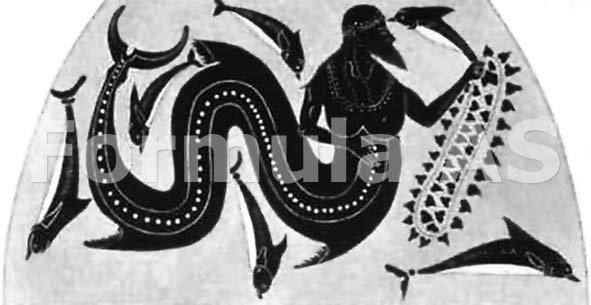
La filistini, il intalnim pe zeul Dagon, iesit din Marea Eritreei, avand infatisare jumatate om si jumatate peste. Chiar si preotii lui erau infatisati cu costume amfibii, cand ii aduceau ofrande, desi templele inchinate lui Dagon erau pe uscat. 
 
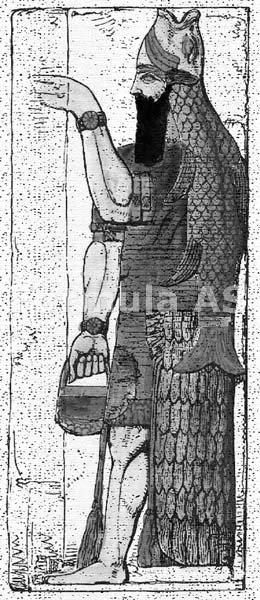
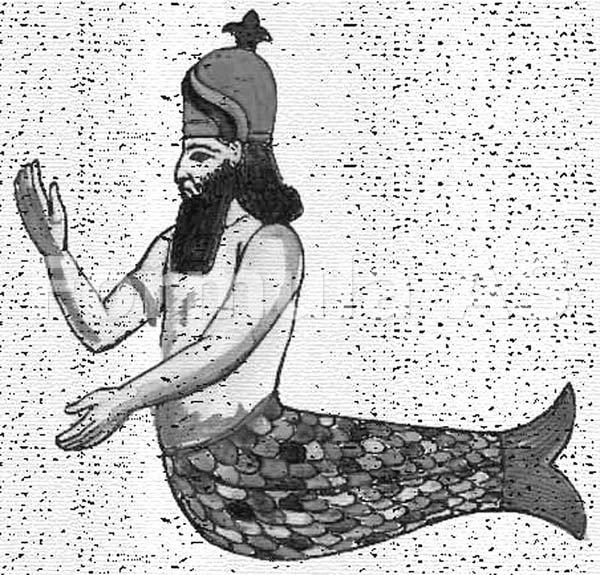
Babilonienii spuneau ca Oannes, zeul-peste, a adus civilizatia pe pamant. Acesta putea sta ziua intre oameni, pe uscat, iar noaptea se intorcea in adancuri.

In Africa, bastinasii cred in spiritele ancestrale Nommo, descrise ca fiinte hermafrodite, asemanatoare pestilor, dar cu trasaturi umane, care traiau in ape. 
 
Uneori erau descrise avand doua picioare, alteori cu picioarele lipite, ca o coada de peste. Erau foarte intelepte, adesea fiind numite "Invatatorii". 
 
Conform mitologiei africane, Dagon si Nommo erau primele fiinte create de zeul cerului, Amma. Toti acesti zei amfibii ai antichitatii se remarcau prin dimensiuni impresionante, la fel ca si "descendentii" lor actuali.
Mumia misterioasa din Egipt

Despre mumiile egiptene se scrie mereu cate un capitol, pe masura ce sunt descoperite si identificate. 
 
Insa despre mumia unui barbat inalt de peste doi metri si jumatate nu a aparut nici o stire in mass-media, ci s-a vorbit despre ea doar la anumite simpozioane.
URIASII DIN ADANCURISigiliu maseget cu zeita sirena
 
Era ciudata, infricosatoare si inexplicabila. In afara de inaltimea neobisnuita, mumia ce reprezenta un barbat nu avea nas, iar in loc de urechi, avea doua gauri. 
 
Vechimea ei a fost datata la 4000 de ani. Mormantul arata ca este vorba de un nobil, insa nu toate obiectele descoperite tineau de cultul mortilor din Egiptul antic.
 
 Un disc metalic, inscriptionat cu semne ciudate, ramasitele unor pantofi ce pareau a fi dintr-un material plastic si multe tablete de piatra, ce infatisau planete, stele si masinarii misterioase, nu si-au gasit explicatia. 
 
Nici interiorul mormantului nu parea a fi fost finisat prin tehnicile egiptene. Peretii de piatra fusesera polizati, avand netezimea unei marmuri. Pietrele parca ar fi fost taiate cu laser.

Cercetatorii Paul Stonehill si Philip Mantle au remarcat ca astfel de creaturi ciudate, foarte inalte si neavand urechi si nas, au fost semnalate si in regiunea Lacului Issik Kul, din nordul Muntilor Tian Shan, Kirkizstan.
 
 Localnicii le numeau creaturi ale apelor si povesteau ca, in timpurile de inceput, acestea stapaneau Pamantul.
 
 Uriasii marini au fost semnalati in diverse variante si in alte colturi ale lumii, in toate epocile, fiind prezenti in mitologiile locale ca zei civilizatori.
Rapoartele marinarilor sovietici
Declasificarea "dosarelor X" ale Marinei rusesti a scos la iveala rapoarte despre incidente ciudate, avandu-i ca protagonisti pe marinarii si scafandrii militari, pe de-o parte, si fiinte acvatice foarte asemanatoare cu oamenii, dar avand o lungime in jur de trei metri si picioarele lipite intr-o coada de peste.
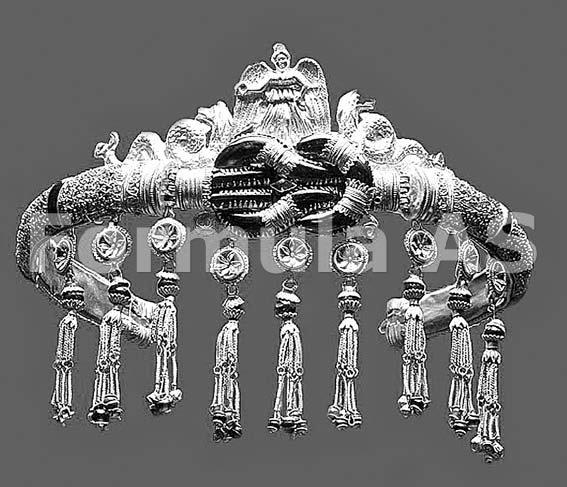
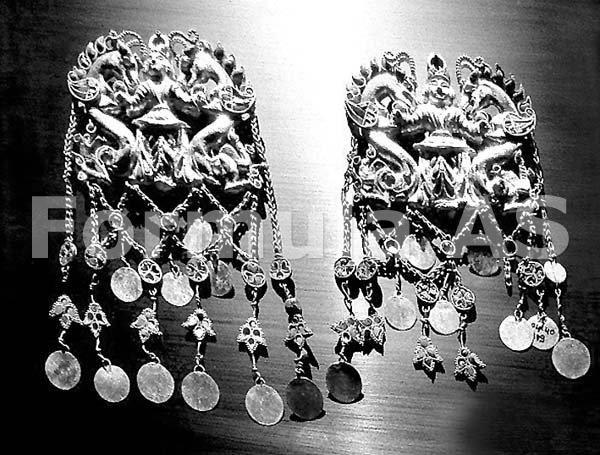
URIASII DIN ADANCURIObiecte din mormantul regelui Ossonnes, reprezentandu-l inconjurat de dragoni
 
Revista "Svobodnaya Pressa" nota cateva dintre aceste intalniri neasteptate, care dateaza de pe vremea cand comandantul Fortelor Navale sovietice era amiralul Nikolai Ivanovici Smirnov. 
 
Vladimir Azaza, fost ofiter de marina, devenit ulterior cercetator al fenomenului OZN, a apreciat ca documentele declasificate sunt extrem de valoroase, datorita rigurozitatii rapoartelor, ce dovedesc ca faptele intamplate erau cu adevarat iesite din comun, militarii facand tot posibilul sa elucideze fenomenul neobisnuit. 
 
In afara de incidentele semnalate in partea sudica a Triunghiului Bermudelor, in Caraibe si in adancurile Oceanului Atlantic - in special legate de OZN-uri, care apareau si dispareau brusc in adancuri - mai erau si incredibilele rapoarte despre fiinte acvatice, intalnite aproape de asezari omenesti, la Lacul Baikal. 
 
In 1982, un grup de sapte scafandri militari au intalnit fiinte umanoide amfibii inotand la o adancime de 50 de metri. 
 
In urma confruntarii cu acestea, trei scafandri au murit, iar ceilalti patru au fost grav raniti, ramanand cu dizabilitati.
O tentativa de capturare esuata

Mai multe detalii din acest raport au fost publicate de revista rusa a fenomenelor paranormale "Anomalia", in 1992. 
 
Aflam din ele ca scafandrii militari faceau parte dintr-o unitate care se antrena in lacurile de mare adancime, din regiunile militarizate Turkmenistan si Asia Centrala.
URIASII DIN ADANCURI
 
Era in 1982, la Issik Kul. Scafandrii au raportat observarea unor fiinte uriase, cu trasaturi umanoide, care inotau in adancime, fara sa aiba greoaiele costume de protectie pe care le purtau militarii. 
 
Aveau doar un costum argintiu, subtire, mulat pe corp, si o casca sferica pe cap. La locul de antrenament a sosit si seful Serviciului de Scafandri Militari, care avea rapoarte din toate regiunile unde se antrenau scafandrii. 
 
Practic, in toate lacurile de mare adancime ii fusesera semnalate astfel de creaturi ciudate, care nu erau nici din regnul uman, nici vreun tip de animal acvatic cunoscut si clasificat. 
 
S-a hotarat capturarea unei asemenea fiinte, pentru a se elimina suspiciunile ca ar fi fost o creatie artificiala a inamicilor. 
 
Operatiunea a fost gandita in stil pescaresc, plasa fiind cea mai recomandata pentru prinderea unor fiinte de asemenea dimensiuni.
 
 Insa, cei sapte scafandri care au incercat sa intinda plasa au fost azvarliti de o forta uriasa, care i-a propulsat deasupra apei. 
 
Din cauza depresurizarii bruste, militarii puteau suferi embolii, asa ca au fost inghesuiti in singura cabina de decompresie pe care o aveau la locul de antrenament, desi nu era loc decat pentru doi. Trei militari au decedat, din cauza sindromului Caisson, iar ceilalti patru au ramas cu dizabilitati. 
 
La putin timp de la intamplare, Comandamentul Major al Fortelor de Uscat a primit un raport privind creaturile subacvatice, precum si alte fenomene neobisnuite, lumini, anomalii etc., petrecute in adancurile lacurilor din regiunea Turkmenistan, fiind atasata si o harta a acestor lacuri.
Regele Ossounes din Issik Kul
URIASII DIN ADANCURIDragon
 
La sfarsitul anilor '30, doi localnici din regiunea Transiliisk Ala-Tau au gasit intr-o pestera din apropierea Lacului Issik Kul trei schelete umanoide, lungi de trei metri, ale caror trupuri erau impodobite cu lilieci din argint.
 
 Cei doi au luat podoabele, le-au topit, pastrand doar o bucata. Cand autoritatile au aflat povestea, artefactul ramas a fost luat si studiat de catre cercetatorii sovietici. 
 
Insa nu au reusit sa dateze bijuteria. Localnicii nu se mai mira de astfel de descoperiri, sustinand ca este vorba de fiintele umanoide din adancuri. 
 
O legenda kirkiza vorbeste de un intreg oras scufundat in Lacul Issik Kul. Conducatorul orasului era regele Ossounes, o creatura umanoida, avand urechile alungite. Ossounes aminteste de zeul-peste Oannes al babilonienilor.
 
 In urma cu 2500 de ani, pe malul lacului se intindea o metropola bogata a masagetilor. Mormintele se aflau la cinci metri adancime si a fost nevoie de scufundatori ca sa cerceteze siturile arheologice. 
 
In morminte s-au gasit adevarate comori, un motiv des intalnit pe obiecte fiind un rege inconjurat de dragoni acvatici, in care monarhul are pe cap o coroana terminata cu doua coarne, asemanatoare "urechilor alungite" din legenda kirkiza. 
 
Si mai spectaculos, pe doua artefacte de aur sunt reprezentate fiinte umanoide cu coada de peste, una dintre ele avand si-o barba la fel ca regele Ossounes, de unde si presupunerea ca portretul era al lui.
Somnul cataleptic

O alta marturie ii apartine unui vanator de rechini, care, navigand pe coasta Marii Negre, in dreptul regiunii Anapa, a intalnit acelasi gen de fiinte umanoide, descrise de toti cei care le-au vazut: inalte de trei metri, cu chipuri umanoide. 
 
Numai ca acestea aveau picioarele lipite, formand o coada de peste. Sau poate era un costum special. Vanatorul le-a intalnit la o adancime de opt metri, pe cand ieseau la suprafata.
 
 Purtau un soi de casti, prin care se zareau niste ochi bulbucati. Pielea le era foarte deschisa la culoare, iar degetele de la maini unite prin membrane. Unul dintre inotatori a intins mana spre vanatorul de rechini, intr-un gest de salut.

Mikhail Demidenko, autorul, printre altele, al cartii "Pe urmele SS in Tibet" (1999), a fost interpret pe langa Armata Rosie a Chinei, in timpul razboiului.
 
 In 1954, a insotit intr-o misiune in Tibet ofiteri de rang inalt sovietici, in provincia autonoma a uigurilor, Xindjiang. Intr-o noapte, s-au cazat la o manastire lamaista. 
 
Acolo, Demidenko a intalnit un calugar batran, rus de origine, care le-a povestit ca in pesterile de langa lacurile glaciare exista uriasi-amfibii, de trei metri, care dorm intr-un somn impus, cataleptic. 
 
Cand ii descopera, militarii chinezi ii omoara ca sa nu se mai trezeasca. Legendele vorbesc si despre uriasii care traiesc in adancul pamantului, in Shambala, misteriosul regat in cautarea caruia au plecat si expeditionarii lui Hitler.
Lacul artificial din Zhada
URIASII DIN ADANCURIOannes
 
Cea mai ciudata relatare vine din partea Armatei de Eliberare a Poporului din China. Incidentul s-a petrecut la granita cu India, in regiunea himalayana Ladakh, disputata de cele doua tari. AEP a trimis o unitate de blindate spre Zhada, de la baza din Niuke. 
 
Insa nu au putut ajunge la punctul de desfasurare, din cauza unui lac artificial, creat peste noapte la vest de Zhada, pe o latura a Raului Langchiui, care ameninta sa inunde valea locuita dinspre partea Indiei. 
 
Nici autoritatile chineze, nici indienii nu stiau cum a aparut lacul si, ceea ce este mai ciudat, nici nu s-au aratat curioase sa investigheze. Dar s-au abtinut de la manevre militare in zona si, dupa o vreme, lacul a disparut, asa cum aparuse. 
 
Ufologul indian Krishnari Bai Dharapurnanda a aflat de la oamenii din zona, si de-o parte si de alta a raului, ca fiinte umanoide neobisnuit de inalte au fost vazute trebaluind pe langa lacul artificial, plonjand in adanc, fara sa aiba vreo costumatie speciala, in afara unui material argintiu, mulat, inclusiv pe cap. 
 
Fara tuburi de oxigen, fara casti speciale. Acele fapturi, odata ce plonjau in apa, nu mai ieseau la tarm.


cybershamans (karmapolice) / CC BY-NC-ND 3.0
Share/Bookmark

Wednesday, July 4, 2012

O nouă ATLANTIDA, descoperită sub Marea Nordului.

„Era INIMA EUROPEI”

Cercetătorii britanici de la Universitatea St. Andrews au descoperit o lume submarină, ascunsă sub Marea Nordului, pe care au botezat-o "Atlantida Marii Britanii", scrie Daily Mail.

Regiunea respectivă, numită Doggerland, se întindea între Scoţia şi Danemarca şi a fost scufundată treptat, între anii 18.000 şi 5.500 î.e.n. Ea ar fi avut o populaţie de câteva zeci de mii de locuitori şi ar fi putut reprezenta "inima Europei", notează sursa.

Doggerland, o regiune mai întinsă decât multe ţări din Europa, ar fi fost lovită de un tsunami devastator, motiv pentru care a început să se scufunde.

Aşa ar fi arătat viaţa în Doggerland. sursa foto Daily Mail

"Speculam de mai mulţi ani că această regiune există, datorită oaselor găsite de pescari, însă numai de când lucrăm cu scafandrii companiilor petroliere am reuşit să ne dăm seama cum arăta această lume. Ne-am dat seama cum arătau flora, funa şi oamenii preistorici care locuiau aici, dar şi tsunamiul care a distrus Doggerland", a declarat geofizicianul Richard Bates, liderul expediţiei.

Cercetările britanicilor sugerează că Doggerville avea un relief deluros, cu multe văi, mlaştini, râuri şi lacuri. Daily Mail scrie că, din păcate, multe dintre elemente s-au erodat sub apă, însă cercetările din Marea Nordului vor continua.

sursa gandul.info

cybershamans (karmapolice) / CC BY-NC-ND 3.0
Share/Bookmark

Saturday, April 28, 2012

Unexplained Mystical Structures HC/HD


All around the globe there are monoliths and monuments from ancient civilizations erected to leave a marker of the relevance of their advanced history. These were also beacons and guidelines of the ancients who mapped out the stars with a precision that has not been equaled since.

cybershamans (karmapolice) / CC BY-NC-ND 3.0
Share/Bookmark

Thursday, September 1, 2011

Secrets of the Black Sea - Uncovering the Roots of Early Civilization


The Black Sea is a place of great mystery and antiquity. Ancient legends describe a time when the oceans rose above the land, causing an entire civilization to vanish beneath the cold waters of this ocean region. Could this be the great flood described in the Bible during the time of Noah?

Today scientists are beginning to discover what may have caused the oceans to rise and are developing new insights about an ancient advanced culture that existed in this mysterious part of the world. This program presents amazing archeological evidence of ancient advanced technology and a long lost advanced civilization that flourished in the Dead Sea region before the end of the last Ice Age.

Includes the facts about this amazing mystery and features, on-site investigations, ancient artifacts, under water archeology, and a fascinating series of spellbinding interviews with researchers, scientists, archeologists and the best-known most credible Black Sea authorities in the world today.

DARK SECRETS OF THE BLACK SEA - NOW Available In A Special 3-DVD Collectors Edition and Loaded with Bonus Features, Including Over 4-Hours of Bonus Interviews - Cat# U671 - Go to http://www.UFOTV.com.

DARK SECRETS OF THE BLACK SEA features:

* Underwater Archeology
* Advanced Planetary Physics
* Ancient Advanced Technology

cybershamans (karmapolice) / CC BY-NC-ND 3.0

Share/Bookmark

Saturday, July 23, 2011

The Glaukidai A Myth of the Blue Men


Apollonius Sophistes

©1997

  1. The Story of Glaukos
  2. The Blue Men of the Minch
  3. Gille-Gorm, the Boy Blue
  4. Sources

I belong to Clan MacGilligorm (later called MacGillinnion, MacGill'innein etc.), and our family traces our descent to Crotair MacGilligorm (1372-1405), the hunchback (Crotair) son of Gille-Gorm (Blue-Lad), one of the "Blue Men," who live in caves under the waters of the Minch, the channel through the "Charmed Islands" of the Hebrides.

Some say the Blue Men are fallen angels, but they are actually descendants of Glaukos Pontios (the Blue One of the Sea), a son of Pasiphaê (daughter of the Sun) and the Minôs who ruled Crete in the fourteenth century BCE. This is the story.

[Glaukos image]

I. The Story of Glaukos

The story begins two generations before the Trojan War when the child Anthêdôn (Rejoicing in Flowers) was born to the Minôs (Ruler) of Crete (who had come from Skuthia, i.e. Scythia) by bull-loving Pasiphaê (All-illuminating), a daughter of the Moon and Sun (that is, Hêlios, also called Phaethôn, Illuminating).

One day the child went into a cave used to store hydromel (mead), which was the sacred drink before Dionysos gave us wine. In innocent ignorance he drowned himself in the liquor, but nobody knew what had happened to him.

Therefore the Minôs sent for the Kourêtes (Curetes), who were known as great seers (manteis), and they told him that whoever could best describe Minôs' miraculous cow would be able to restore Anthêdôn alive to him.

This cow changed colors every four hours: from the black of chaotic night, to the pure white of day, to the vital red of blood, then back to black again.

So Minôs had all the diviners in the land brought together, and the Kourêtes judged the best description to be that of a certain iatromantis (healer-seer, i.e. shaman) from Corinth called Poluidos ("Much Knowing"), the son of Koiranos, the son of Abas, the son of Melampous (Blackfoot) the Egyptian, the most famous iatromantis in Greece, who knew the language of snakes and woodworms.

Poluidos said that the cow was like the ripening mulberry (batos), which is first pure white, then vibrant red, and finally a rich dark purple (i.e. black). (These are also the colors of the alchemical Great Work.)

Therefore, Poluidos was entrusted with finding Anthêdôn, and by divination he came to a place where the Owl (Glaux) was driving away the Bees (Melissai) from a cave (for Bees reveal the presence of prophetic Goddesses). Looking inside he found the drowned boy, and brought him to Minôs.

However, the grief-stricken Minôs was not satisfied, because the Kourêtes had said that the iatromantis would restore his living son to him, so he ordered that Poluidos be shut up with the boy's body in a beehive-shaped tomb, until he brought Anthêdôn back to life.

This was beyond Poluidos' (or any mortal's) power, and so he prayed to the Gods for help. After a while, as his eyes became accustomed to the dark, he saw a snake approaching the corpse. On an impulse he killed the snake, because the idea had come into him that it would nibble the corpse. Shortly thereafter a second snake came forth and discovered the body of the first.

Then it went away and came back holding in its mouth the twig of an herb (called Dios Anthos, the Flower of Zeus) with three blue-green (glaukos) leaves. [Graves thinks it was mistletoe, the Druidic Herb of the Sun.]

The second snake laid this herb upon the first snake, which immediately came to life and left with its companion. Poluidos was astonished, but quickly took the serpent's branch and applied it to the boy while repeating a prayer three times. Like the snake, the boy immediately returned to life. (This is the very same herb that Asclepius later used to resurrect Hippolytus.)

Anthêdôn had a shiny blue-gray scar over his heart where the branch had touched him, and so he was thereafter called Glaukos (Blue-Grey) or in their language Glas (Gaelic, "Grey"). Poluidos explained to the boy that a part of his mortality had been burned away and replaced by divine substance, as shown by the scar.

In this way he was reborn as a iatromantis (healer-seer), and he was called Antitheos (Godlike). Moreover, he later discovered that from the serpent-staff he had acquired power over snakes, as have his descendants to the end of time.

Minôs gave Poluidos many gifts, but then ordered him to teach Glaukos all his arts, especially divination; because Glaukos (or Glas) was an eager student, he became known as Gathêlos Glaukos or, in their language, Gaodhal Glas, from Gaoith-Dil (Lover of Learning).

His magical craft, the Glaukou Tekhnê (Art of the Blue Man), became so famous that the ancients would say, "It doesn't take the Art of the Blue Man to do so and so" when they meant "It doesn't take a wizard to do so and so."

Eventually Minôs gave Poluidos leave to return home, but before he did so, the seer bade Glaukos to spit in his mouth. Ovid is wrong in claiming that by so doing Glaukos lost all power of divination and that in this way Poluidos reclaimed the gift he had been compelled to give.

If this were true, how could Glaukos have become the famous seer that he did, eagerly sought for his prophecies by people throughout Greece? What really happened is that Poluidos also spat into Glaukos' mouth; in this way a sacred covenant was forged between the two seers.

Thus also Glaukos was called Gnôstês (Soothsayer). (This name is also equipotent with the Antitheos Euplokamos, the Godlike One with Fair Locks)

After returning home, Poluidos fathered Eukhênôr (who accompanied his father to Troy and was killed by Paris in the war), Astuktatia and Mantô (a famous prophetess).

When Glaukos got his beard, he went to live on the shores of the Euboicum Mare (Euboean Sea) at the place in Euboia that is now called Anthêdôn in his honor. He felt a strong attraction for the sea and used to fish with both nets and rod and line.

One day he came to a rocky place, with the waves on one side and on the other a meadow of grassy herbs, never touched by sheep or goats, nor frequented by bees, nor cut by people.

He spread out his nets and lines on this grass to dry, and was counting the fish that were still on his hooks, when he observed the strangest thing: one of the fish nibbled a certain blue-green or gray grassy herb (glaukê poia) and suddenly became rejuvenated and jumped back into the water. In this way all the fish escaped back into the water. (This herb, which some call Glaukiskos, had been sown by Kronos in His Golden Age.)

Glaukos was curious about the nature of this Undying Grass (Danaia Poia), and so he picked some of it and chewed it. Immediately his heart began to pound and he felt the irresistible call of the sea. He cried, "Farewell Earth, to which I shall never return!" and jumped into the depths.

He was immediately surrounded by schools of sea-divinities, who called on the all-encircling King and Queen, Okeanos (Ocean) and Têthus, to accept him in Their domain. The Seirênes (Sirens) sang a magic purification song to him thrice three times, and told him that he had to bathe in the Hundred Streams.

When Glaukos did so, his mind became confused as in a dream and was so transformed that he could not even clearly remember his earlier life. Through his delirium he discovered that he had a thick green beard, and bluish skin, and feet like the tail of a fish. Thus he became Glaukos of the Sea (Pontios or Thalassios), a Pontomedôn (Lord of the Sea) and came to rule a kingdom under the waters near Dêlos.

To the prophetic art he had learned from Poluidos, he added the art of the wise Old Man of the Sea, Nêreus the Truthful, son of Earth and Sea (Gaia and Pontos), who was his friend, and thereafter Glaukos Gnôstês (Soothsayer) delivered oracles, coming once a year to the seamen in each port and island of Greece.

Not long after Glaukos' transformation, Skulla (Scylla), a beautiful Nêreid (daughter of Old Man Nêreus), came down to the seashore at night. There she disrobed and refreshed herself in a shallow pool. In the moonlight she saw a beautiful boy floating with his chest and arms out of the water. She pulled her long hair over her breasts and called to him, "What are you looking at?"

"The most beautiful nymph," he replied, and they bantered for a time, with ever increasing mutual attraction.

"Come closer so that I can see you," she called, but when he got close she saw that his thick hair, which covered his back, was green and that his skin was blue, for he was Glaukos. When Skulla saw that he became a fish at his groin, she shrieked, jumped from the pool and ran to the top of an overhanging cliff. Regaining her confidence, she called "What sort of monster are you?"

Godlike (Antitheos) Glaukos replied, "Fair nymph, I am not a monster, but a Sea God and more powerful than every Sea Lord (Pontomedôn) around here. But I cannot walk on land, and beg you to come back to the shore, so that we may share our love."

When Skulla saw that she had nothing to fear from Glaukos, she returned to the shore, still naked but for her long hair, and stood above him.

"Come down into the water with me," he pleaded and stroked her calves.

"You are not so powerful if you cannot come to me," she laughed, slipping from his hands and going a few feet away to recline in the pool. With signs she invited him, and Mighty (Krateros) Glaukos struggled out of the water, using his strong arms to pull himself across the sand to the pool.

He flopped up next her and reached for an embrace, but she jumped to her feet and kicked him, shouting "You are a mongrel thing, half fish and half man, and out of place in both kingdoms!" Then she grabbed her robe and ran away laughing.

Great-Hearted (Megalêtôr) Glaukos was furious, but burning with love for her, and grief at her treatment. Slowly and painfully he dragged himself back into the sea and swam quickly from Euboia to Aiaia, a mysterious island near Sicily [Monte Circei?], which is the home of many beasts, who live on hills green with herbs.

It is a paradoxical place, where the Sun rises and sets, and the hidden kingdom of Potnia Kirkê (Mistress Circe), divine sorceress and daughter of the Sun (Hêlios) and Persê, a Moon Goddess (perhaps Hekatê Herself) born of the Ocean; thus Kirkê was the sister of Pasiphaê, the mother of Glaukos.

He came up through a submarine cave that opens into her halls (megara). There he called for audience with the queen and explained that he was filled with passion for a nymph. He begged, "Theia (Aunt) Kirkê, Polupharmakos (Knowing Many Potions), master of the magic of Love, grant me this favor and sing a spell or brew a potion - for I know the magic power of herbs - but not one that will cure me! Rather, turn her heart so that she burns with as much passion as me."

The regal and powerful enchantress, Kirkê Euplokamos (Fair-haired), replied, "Ah, Godlike Glaukos, my dear young Sea Lord, it would be far better if you loved someone like me, who knows what it is to burn with passion, than that frivolous nymph."

Then with many words and actions she won his heart, so that he felt the same lust as her. In a shallow pool in her halls they tangled their limbs, hers soft and white, his glossy and blue, and spawned like fish.

Then Crafty (Doloessa) Kirkê taught him arts and incantations that would allow him to take the form of a mortal man, and accept her love in this way too. And through the night they enjoyed every pleasure afforded by their bodies and their craft.

In the morning Glaukos begged Kirkê Audêessa (Speaking Mortal Speech) for forgiveness, saying, "Gracious Goddess I have misled you. Although you have shown me every kindness and we have joined in passion, I cannot stop loving Skulla. Indeed seaweed will grow on the tops of the mountains, and trees will grow in the depths of the sea, before I will stop loving her."

(Kirkê is called Euplokamos - Fair-haired - because that name is equipotent with Audêessa Leaina - the Lioness who Speaks the Speech of Mortals - her secret nature.)
Mistress Kirkê was furious and would have destroyed Glaukos, but she loved him already and knew he was a powerful Sea Lord. Therefore she turned her wrath toward Skulla, circling like a sparrow hawk and saying to herself "Very well; you want her desiring you like a bitch in heat, and so she shall."
She stormed into the dark forest and gathered secret herbs and pulverized them into a pungent powder while she sang a spell taught to her by Hekatê. When she was done, she wrapped her azure robe around her fair shoulders and went out through her court, where her familiar animals fawned about her (for she is Potnia Thêrôn - Mistress of the Beasts).

By magic arts she skimmed across the waves to Rhêgion (modern Reggio di Calabria), opposite the rocky coast of Zanklê (mod. Messina), and to that pool where Skulla was accustomed to refresh herself. She poured her potent potion into the water as she circled it, intoning over it a complex spell thrice nine times.

At her usual time Skulla came to the pool, loosened the peplos (robe) from her shoulders, and folded it on a rock. When she had waded waist deep into the pool she felt something churning in the water around her thighs; suddenly the water around her waist erupted with snarling dogs' heads.

She jumped from the pool to escape them, but discovered in her horror that they were her: her legs were covered with shaggy hair and shaped like dogs; each of her beautiful buttocks had become a yapping dog head, and her place of love had become a snarling dog. Such was the revenge of Kirkê Polupharmakos (Skilled in Many Potions).

Kirkê brought Great-Hearted Glaukos to see what she had done to Skulla, hoping that she would then have all his love, but he was horrified that she could do such a thing and fled from her into the ocean's depths.

Skulla Deinê (the Terrible) went to hide in a cave by the shore, where she would show her beautiful torso to lure sailors into her cave. When they came to lie with her, her lustful hunger was satisfied by the ravening dog-heads, for this was the only way they could be fed (although they could be placated somewhat by stroking).

She also revenged herself on Kirkê by devouring as many of Odysseus' companions as she was able. Skulla Petraia (Living on Rocks) stayed in this place for many years, until she was mercifully turned to stone.

In ten months - the period of divine gestation - Kirkê bore a daughter from the seed of Glaukos Gnôstês (Soothsayer), whom she named Sibulla (Sibyl).

When the girl was grown she traveled in many lands, and so she was called PhoitôNumphai oreskôoi dolikhomazoi) who call themselves Dianades or Ianades (i.e. the Janae, daughters of Jana), who in turn taught her many secrets, including the ways through the Underworld.

[This meeting is described somewhat differently in The Janid, the mythic history of the Janae.] Then they traveled to Lake Aornos (Lk. Avernus, near Naples), the Mouth of the Underworld, where they established a home in the Great Cave (near Baiae) and she founded the oracular shrine later moved to Kumê (Cumae); among the Cimmerians she was consulted by Aeneas and Odysseus after they left Troy.

Finally she went to the City of the Nymphs (Astu Numpheôn) on Samos, where she lived many years, prophesying from the Cave of the Nymphs there [probably the Spiliani cave]. Later prophetesses were called Sibyls (Sibullai) after her. (Wanderer).

First she went to live in Eruthrai (Erythrae), where she achieved much fame for her prophecies, for when the Achaeans were on the way to Ilion, she told them that Troy would fall and that a Poet (i.e. Homer) would tell lies about the war. Later she went with the Kimmerioi (Cimmerians) to Sardô (Sardinia), where she prophesied to those long-breasted mountain Nymphs (

Her name Phoitô reflects her parentage, for it is equipotent with Audêessa (Speaking Mortal Speech) and Kouros (Lad), that is, Kirkê and Glaukos.

She was called Hêrophilê (Beloved of Hera) on Samos (where the Goddess is especially honored) because that name is equal to Gathêlos Aitherios (Ethereal), and she lived for a thousand years because Hêrophilê Aitheria is equipotent with Aiôn (Aeon).

She was called Dêiphobê because that name is equal to Skotia (Darkness). She was known by this name as a priestess of both Apollo and Trioditis, a name for Artemis as the Threefold Goddess of the Road. This is all I will say about this Sibulla for now.
After leaving Kirkê, Godlike Glaukos came in human form to Iasôn (Jason) and used his arts to construct the ship Argô; he himself became an Argonaut, in fact, the ship's first steersman.

He traveled with Iasôn and the other Argonauts in quest of the Golden Fleece of Kolkhis (Colchis), into Aia [that is, Gaia, the Earth], his family's origin, whose king, called Aiêtês, was blood-brother of Kirkê and Pasiphaê and father of Mêdeia (Medea). (He is a king of the Underworld like Aidês [Hadês].)

In the battle between Iasôn and the Turrhênoi (Etruscans), Glaukos protected himself by jumping into the sea and taking on his fish form; he was the only Argonaut to escape unscathed. Having revealed himself as a Sea Lord, he subsequently helped the Argonauts in many ways. All this took place in the generation before the Trojan War.

Although he never forgot Skulla, Great-Hearted Glaukos had many wives. For example, he loved Ariadne when she was on Dia, but she and Dionysos preferred each other, and Glaukos had to give her up.

Gathêlos also went to Egypt, where he used his craft and bravery to help the Pharaoh to defeat the Ethiopians. In gratitude the Pharaoh offered him his daughter Skotia (Darkness) as wife, and they were married.

They lived happily in Egypt until the Pharaoh [perhaps Akhenaten, 1367-1350 BCE] introduced a new religion that was hostile to the practices of Druids (Druidôn). Therefore, Mighty Gathêlos took Skotia his queen and a large number of followers to seek the land that had been prophesied for them.

(We know that Anthêdôn Gathêlos was destined for Skotia, because Gathêlos and Skotia together equal Anthêdôn.)
First they went to Gotthia, where Carthage was later built. Then Gathêlos led them on to found a colony in Galicia in Spain, which is called Brigantia (near modern La Coruña) after the Goddess Brigintis (Brighid), and from there they went to Iernê (Ireland).

Here Gathêlos was crowned king and his followers took the name Skotioi (Dark Ones, Scots) after the name of their queen. Some say that the entire Gaelic clan (Clan-na-Gael) is named for Gaodhal Glas (Gathêlos Glaukos), who led them into these places.

Eventually the Skotioi came to the land of Hyperboreans, to Caledonia in the northernmost parts of Albion (England), where they settled. They founded the Kingdom of Skotia, also named for Gathêlos' queen.

[Blue Man image]

II. The Blue Men of the Minch

In time, Glaukos returned to live in the sea, where he was most at home, and spawned the race of Glaukidai (Descendants of Glaukos), or Hoi Glaukoi (the Blue Men), who live in caves beneath the waves.

Although there are now Glaukidai in many parts of the world, their largest number are in Scotland, where Glaukos went after leaving the Mediterranean. The Highlanders call them the "Blue Men" (Na Fir Ghorm) because, like Glaukos, the Blue Men have glossy bluish (gorm) skin, a long gray (glas) face with curly green hair and beard.

Their eyes tend to be small, their noses flat, and mouths large. Their arms are long and their legs are like fish-tails. They are the size of a full-grown man, and very strong.

Some say that the Glaukidai are Gathêlos' descendants by Kirkê, for the plural Glaukidai is equipotent with Gathêlos and Kirkê [i.e. GLAUKIDAI is numerically equal to the sum of GAQHLOS and KIRKH], which is confirmed by the singular Glaukidês

(Descendant of Glaukos), which is equipotent with Aiaiê (She Who Dwells in Aiaia) and Antitheos (Godlike, an epithet of Glaukos), and also equipotent with Doloessa Leaina (The Lioness Who Speaks with Mortals), that is, Kirkê.
People who have seen the Blue Men know that they are not the same as the Selkies (Seal-people), but they often cooperate and accompany each other. Since most of the uneducated folk don't know the origin of the Blue Men, they say that they are fallen angels that were not so guilty as to be thrown into Hell, or that they were people suffering under some punishment or spell.

Most of the Blue Men live in caves under the waters of the Minch, the channel through the "Charmed Islands" (Na h-Eileinean) - Lewis and the Shiants - of the Hebrides; indeed this channel is called the Stream of the Blue Men (Sruth nam Fear Gorm).

It is also called the "Current of Destruction," because they say the Blue Men stir up the waves by their incessant swimming. Sailors often observe Blue Men floating from the waist up in the water and know that storms often follow their appearance.

The Blue Men may attack ships or sailors who have mistreated the Selkies and other Seafolk. Sometimes an attack can be averted by engaging the chieftain of the band of Blue Men in a rhyming contest; if the chieftain is sufficiently impressed by the captain's wits, he will leave the ship alone.

Although innocent sailors have little to fear, they nevertheless often sail around the Shiant Islands to avoid the Blue Men's Stream. They sing:

"Oh, weary on the Blue Men, their anger and their wiles!
The whole day long, the whole night long, they're splashing round the isles;
They'll follow every fisher - ah! they'll haunt the fisher's dream -
Where billows toss, oh, who would cross the Blue Men's Stream?"
The Blue Men can help mortals in many ways. Therefore, during Hallowtide (the Samhain season), the people light a candle by the sea and pour a libation of new ale into the water, while they pray that the Blue Men will leave seaweed on the beach, which they use for fertilizer. After the ritual, the candle is carefully extinguished.

Like their Great-Hearted ancestor, the Blue Men have a lusty disposition, and often seek love from mortal women. (There are Blue Women - Na Tè Ghorm, hai Glaukai - as well, who are not so often seen, but are just as famous for their amorous inclinations.)

The dark-complexioned offspring of these unions often have webs between their fingers, which become horny crusts after the midwives cut them. By this evidence we know that there is considerable Blue Man blood flowing in Highland veins.


III. Gille-Gorm, the Boy Blue

In fourteenth-century Kintail (Ross-shire, Scotland), Hugh Fraser, later the Laird of Lovat, had a daughter Kerling, who was very attractive, and independent in thought as well as action. She was a devotee of the Goddess Dana (Danu) of the Three Ways, which was their name for Artemis, and was well-schooled in magic.

For her lover she had chosen her father's barn-man (skallag), who was very handsome, but she knew she would not be permitted to marry below her station.

So she disguised her love and bided her time, until she was able to leave home, at which time she boldly told this barn-man her intentions, and married him, much to the dismay of her relatives and the gentry.

However, this man had married her for her wealth and didn't love her, so she found little satisfaction in her husband and decided to find herself a leannan sìth (fairy lover).

Early one morning Kerling went down to the shore by the Sound of Sleat and climbed a rock at the high-tide mark. Then she shed exactly seven tears into the sea and sang:

Hear me, Blue Man, hear my call!
Seven tears I have let fall.
Salty ocean, salty tears:
Come to me, I have no fears!
Stormy ocean, stormy hearts:
We shall play our destined parts!
When the first light of dawn turned the waters gray, she saw an attractive Blue Man emerge from the waves and swim toward her. When he reached her rock, he asked, "What is thy will with me, fair dame?" and she replied that she wanted a lover.

He was agreeable and told her that he would come at the seventh stream (spring tide), which is the time when Blue Men can take on human form and live above the waves.

He came that first time and many times thereafter, and often they were seen together after their trysts, so he became known to the townspeople, who called him Gille Gorm (Blue Lad, also Gilligorm etc.) from his complexion, which was not entirely hidden by his human form. Nevertheless, he was considered very handsome; oral tradition described Gille-Gorm:

He was the tallest of them all,
The broadest in the shoulders too,
With feet as small as they could be.
Many in our Clan, from that day to this, have denied this liaison, which they consider shameful, but the truth has never been suppressed completely. Eventually Kerling had a child from Gille-Gorm, and as a result even today a few clan members have the blood of the Blue Boy in their veins. Her father Hugh, Lord Lovat, never forgave her.
(Gillegorm's ancestry is shown by his name in Greek Glaukokouros - Blue-Lad, which is equipotent with Leaina - the Lioness, that is, Kirkê - and Megalêtôr - the Great-Hearted One, that is, Glaukos.)
During their years together, Gille-Gorm taught Kerling the Glaukou Tekhnê (Art of the Blue Man), which he had learned from his ancestors, and she taught him the arts she had learned as a Priestess of Dana.

[Eilean Donnan image
Eilean Donnan Castle

Eilean Donnan Castle (on St. Donnan Island) had been built in 1266, under order of King Alexander III, by a son who had been given the Second Sight by his father, the chief on the island, for he gave his son his first drink out of a raven's skull. This castle became a key factor in the conflict between the Lord of the Isles and the Earl of Ross.

Acting under orders from Thomas Randolph, Earl of Moray and Guardian of the Kingdom, Earl Hugh of Ross, captured the castle and later apprehended Coinneach (Kenneth) na Sroine, the Constable of the castle, imprisoning him at Inverness. Therefore the Allied Clans chose Gille-Gorm to be Constable of Eilean Donnan Castle and thus Over Chief of the Allies of the West.

Later, while William, Sixth Earl of Ross, was away, Gille-Gorm led his troop of "mountain men" on a diversionary invasion. First they sacked and looted the territory around Tain and Chanonry, then they proceeded southeast to the muir that lies between Kessock Ferry and Munlochy Bay.

They said they would burn Inverness to the ground unless the Provost would free Coinneach and pay a ransom. The Provost said he would consider their demands and sent barrels of whisky to Gille-Gorm's soldiers as a show of good faith.

In the meantime, Kerling's vengeful father, Hugh Fraser, who was the Crown's Lieutenant in the North, and his vassals joined the troops of Earl William of Ross, coming from Inverness, at Kessock Ferry.

In the morning they attacked at Drumderfit (Blair na Coi), where Gille-Gorm's band was camped. Under this onslaught by much superior numbers (and, some say, because of the effects of the whiskey!), Gille-Gorm's troops were forced to retreat, and many of the clan were killed.

They retreated to the Druim nan Clavan (Ridge of Cairns), where most of the remainder were cut down; it has been called Druim nan Deur (Ridge of Tears) ever since, and that has become our War Cry.

The Earl of Ross followed with a series of vicious reprisals and so the survivors of the Battle of Drumderfit left Kintail; thus was our clan scattered from its ancient homeland, and, for generations after, the women of our clan remembered a curse:

Oh curst be the Fraser,
and curst be his Clan,
each Hag in her Hovel,
each Child and each Man!
(Needless to say, the time for such animosities has long passed!)

Chief Gille-Gorm died with his men. Kerling, who was with him at the Final Battle, tried to save her husband by applying the Flower of Zeus, which she kept in an ivory chest, but before she could get it, she was captured by the Frasers.

Kerling was pregnant when she was captured, and in time gave birth to a boy. The Frasers had originally intended to kill the infant, but, because Kerling was the daughter of the Laird of Lovat, they were satisfied in the end with breaking his back so he would be deformed and therefore disallowed from becoming Chief and avenging his father.

Thus he came to be known as Crotair (Hunchback, also Croter, Crotach etc.), for his given name was kept secret from the captors.

When it was time for Crotair to leave home, his mother whispered into his Ear the Coistrig Mathar [Mother's Consecration] for his protection, as is the custom:

May the Dagda rest upon thy Shoulders
And protect thee coming or departing;
By thy Heart be Mapon macc Matrôna;
May the Lady Brigit flow upon thee -
O may Wise Brigintis always bathe thee!
Then she went up to the Five Sisters (mountains in Kintail) and cut the Sacred Mothan [Flower of Zeus?], saying as she did the incantation called Am Mothan [The Mothan]:
Now I pick the Sacred Mothan,
As did Mapon macc Matrôna,
In the Holy Name of Dagda,
And of Brigit, Lugh and Danu.
Though in field of furious fighting,
Where no bounds are known to anger,
Be Thou happiness and comfort,
Mighty Mórríghan's protection!
She sewed the herb into Crotair's vest under his left arm, in accord with her Craft and thus protected him in his many travels.

[GilleGorm image] Crotair was schooled at Beauly Priory where he took Orders. Later the Hunchback of Beauly Priory returned to Kintail where he was pastor of Kilichoinen in Glenelg and of Kilmore in Sleat.

Further, because Crotair was of the Celtic Church he took no vow of celibacy and so he fathered a son, who was called Gille Fhinnein [Servant of St. Finnan]. And so was born Clan Mac Gill'innein (the Sons of the Servant of St. Finnan).

(By naming themselves after this saint - a common practice in the 14th century - they hoped to disguise their descent from Gille-Gorm, the Blue Man; other descendants kept the name MacGilligorm.)

Chief Gille-Gorm was buried under a large stone cairn, which was visible as late as 1785 (the largest among the Cairns of Drumderfit raised to the slain).

A wooden idol of the Chief was erected near the House of Drumderfit, the estate of some of his descendants, the Lobans of Drumderfit in Easter Ross; it perished when a band of Munros and Sutherlands destroyed the estate during the Jacobite uprising of 1715. Now we say:

Bonnie Boy Blue, come blow your horn,
The wolf's in the meadow and prowls through the corn.
But where is the Brave Boy who guards his sheep?
He's under a hillock, fast asleep.
Will you awake him? No, not I,
For if I do, the wolf will die!
cybershamans (karmapolice) / CC BY-NC-ND 3.0

Saturday, June 4, 2011

Cracking the Maya Code


The ancient Maya civilization of Central America left behind a riddle: an intricate and mysterious hieroglyphic script carved on stone monuments and painted on pottery and bark books. Because the invading Spanish suppressed nearly all knowledge of how the script worked, unlocking its meaning posed one of archaeology's fiercest challenges. Until now.
Share/Bookmark
cybershamans (karmapolice) / CC BY-NC-ND 3.0

Monday, April 11, 2011

IRLANDA, INIMA IMPERIULUI ATLANT?

Share/Bookmark

IRLANDA, INIMA IMPERIULUI ATLANT?

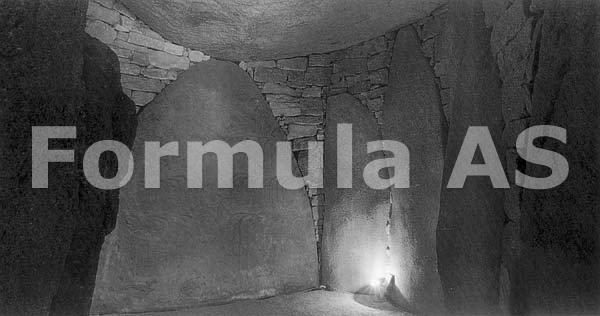
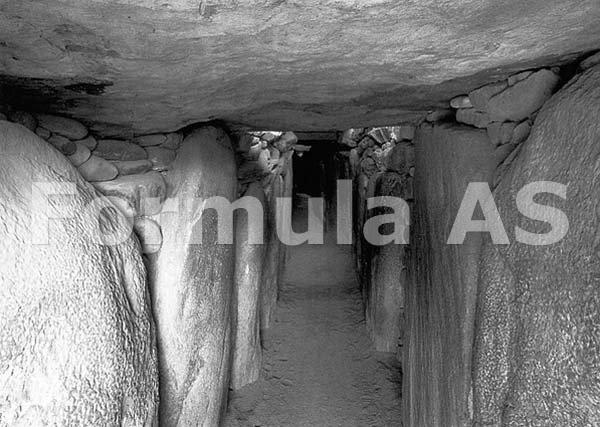
Newgrange - Irlanda. Tunelul de la capatul caruia rasare soarele

- In uriasul corpus de studii dedicate Atlantidei a aparut o noua ipoteza. Ea apartine unui savant suedez, pe nume Ulf Erlingsson, specialist in cartografia submarina. Dupa ce a reexaminat textele lui Platon, el a ajuns la concluzia ca singura insula situata dincolo de stramtoarea Gibraltar, care corespunde cu descrierea Atlantidei, ar fi Irlanda -


New Grange, 21 decembrie, anul 4312 inainte de Hristos


Oamenii asteptau in penumbra, stand in picioare, in cerc, la douazeci de metri de intrarea in sanctuar, inconjurand-o pe preoteasa batrana si oarba. Priveau cu atentie culoarul construit din pietre pe care dimineata avea sa-l scoata din intuneric. O piramida inalta, construita din pietre plate, se ridica deasupra capului lor: templul solar. Toti cei prezenti asteptau cu nerabdare miracolul prezis de batrana preoteasa a templului: trezirea la viata, invierea naturii.


Ea umpluse cu apa neinceputa un vas de piatra, pe care il asezase intr-o nisa. Apa vietii astepta sa fie fecundata de catre lumina. Soarele era asteptat cu nerabdare. Oare avea sa vina? Avea sa rasara in apa din vas? Va trezi la viata, inca o data, natura inca inghetata, ce urma sa ii hraneasca pe toti? Dintr-o data, a izbucnit un strigat: afara incepea sa se lumineze de ziua. Printr-un miracol, norii, nelipsiti in acel anotimp, s-au dat la o parte.

Apoi o minunata raza de lumina a patruns prin fereastra de deasupra usii si a luminat peretele, iar mai apoi podeaua de piatra si picioarele desculte ale oamenilor. Acestia s-au dat la o parte, cu respect.

Femeia oarba si-a ridicat toiagul si a inceput sa scuture niste coliere din os, intonand un cantec ragusit, al carui ecou reverbera din peretii de piatra.
Lumina a inceput sa urce, incet-incet, spre nisa, pentru ca apoi soarele sa se oglindeasca pe suprafata apei: fecundarea sacra incepea. Viata urma sa renasca prin forta biruitoare a soarelui, dupa cum stiusera dintotdeauna cei batrani. Clinchetul colierelor a crescut in intensitate.

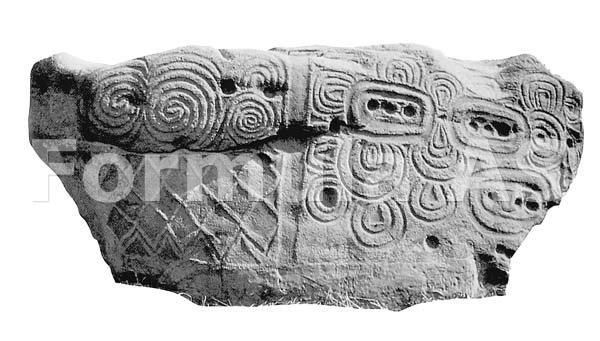
Oamenii au ridicat cu totii mainile spre piramida de deasupra lor si, cu lacrimi in ochi, au inceput sa strige de bucurie, iesind, apoi, fericiti din interiorul templului. La intrare, se afla un monolit mare, ornat cu spirale si volute sacre.

Afara, cu fata spre soarele ce se inalta pe cer, au privit orizontul iradiind de lumina, pe care se profilau celelalte temple, si cercurile rituale formate din pietre. Stiau ca in intreg imperiul se desfasura aceeasi ceremonie: binecuvantarea venirii primaverii.


Nenumarate Atlantide


Dupa relatarea lui Platon din "Critias" si "Timaios", s-au mai scris mii de carti despre Atlantida. Au fost avansate mai multe ipoteze in legatura cu localizarea sa. Istorici, geografi, oameni de stiinta, cu totii au studiat aceasta civilizatie, ce se pare ca ar fi disparut intr-un cataclism, dincolo de coloanele lui Hercules (Stramtoarea Gibraltar), cu noua mii de ani inainte de Platon.
IRLANDA, INIMA IMPERIULUI ATLANT?

Semne in piatra


Teza cea mai populara plaseaza Atlantida in inima Atlanticului, vestigiile sale culturale gasindu-se de ambele parti ale oceanului. Ruinele submarine de la Bimini, in Bahamas, precum si cele din largul coastei cubaneze par sa sprijine teoria inghitirii de catre ape, ca urmare a ridicarii lor bruste (un tsunami ca cele de azi, dar mult mai puternic).

Data propusa de Platon corespunde sfarsitului ultimei ere glaciare, cand se stie ca nivelul marilor a crescut cu peste o suta de metri, in cateva mii de ani. Alte teze plaseaza Atlantida in locuri foarte variate:

in largul coastei andaluze, unde a fost descoperita o mica insula scufundata, Spartel (care este insa prea mica pentru a corespunde descrierii lui Platon) sau chiar printre insulele grecesti: Santorini, de pilda, o insula vulcanica ce a erupt acum trei mii cinci sute de ani, inghitind trei sferturi din teritoriu, distrugand orasele si satele si ridicand un val urias ce a distrus civilizatia cretana, devastand tarmurile Mediteranei orientale.

Dar Santorini nu se situeaza dincolo de coloanele lui Hercule... Atlantida a fost situata si in Sahara, in Malta si, mai recent, in Cipru, ba chiar si in largul Indiei, unde de cativa ani sunt descoperite numeroase vestigii arheologice inghitite de catre ape. Mitul potopului si povestea continentelor scufundate se regaseste in aproape toate culturile si pe toate continentele. Structuri megalitice submarine au fost descoperite chiar si in largul coastei Japoniei.


Sa fie cumva Irlanda?


O noua teza a aparut printre nenumaratele studii despre Atlantida: cea a unui savant suedez, pe nume Ulf Erlingsson, geograf si specialist in cartografia fundurilor de mare. Dupa ce a reexaminat textele lui Platon, el a ajuns la concluzia ca singura insula aflata dincolo de Gibraltar, ce corespunde descrierii Atlantidei, ar fi actuala Irlanda. Dimensiunile sale, geografia si istoria sa, inscrise pe numeroase vestigii arheologice, coincid, dupa parerea lui Erlingsson, 98% cu descrierea Atlantidei.

Insasi descrierea orasului Atlantis poate fi descifrata in structura megalitica a Irlandei, mai ales prin intermediul monumentelor vaii Boyne, aflata in partea de est a insulei. Savantul suedez presupune chiar ca Platon ar fi fost la curent cu existenta oraselor ce se intindeau pe vale, a templelor circulare si sanctuarele concentrice, ce pot fi vazute si astazi pe colina Tare si la New Grange, la Knoth si la Dowth.

De aici s-a inspirat pentru a crea descrierea capitalei Atlantis. Aceasta regiune era, cu siguranta, capitala unui imperiu cultural ce se intindea cu mult dincolo de insula Hibernia, pentru ca stralucirea sa ajungea pana in Scotia si in insulele ei, in Anglia, in Bretania si toata coasta atlantica a Europei, pana in Africa de Nord, pentru a ajunge mai apoi in Mediterana occidentala.

Acest fapt corespunde afirmatiei lui Platon conform careia Atlantida invadase si colonizase Europa Occidentala si ameninta chiar Grecia. Dar filosoful vorbea si despre un cataclism urias, care a inghitit cu totul aceasta super-putere antica, din care nu a mai ramas nimic.

Or, Irlanda este in continuare deasupra apelor..., fapt ce nu il descurajeaza pe geograful suedez, care afirma ca un seism foarte puternic, ce a avut loc in jurul anului 6100 inainte de Hristos, a ridicat un val urias, care a inghitit faimoasa Dogger Bank, pe vremea aceea populata, lovind mai apoi coasta irlandeza si devastand orasele maritime ale insulei.

Acel tsunami a intrat mai apoi in legenda si a ajuns si la urechea lui Platon. Dar inima Atlantidei irlandeze ar fi ramas intacta si la suprafata. Stralucirea sa culturala a influentat in continuare o mare parte din Europa Occidentala, timp de mai multe mii de ani.


Ulf Erlingsson pretinde ca nu a existat niciodata o Atlantida asa cum o descrie Platon in "Timaios" si "Critias". Filosoful s-ar fi inspirat din povestile calatorilor antici, care au relatat vizita lor intr-o tara ciudata, unde existau monumente megalitice imense si circulare, ce se indreptau spre cerul gri al unei insule aflate dincolo de coloanele lui Hercules.

Aceste povesti, alaturi de zvonul unui fost val urias, au alimentat imaginatia lui Platon, de unde a aparut descrierea literara a Atlantidei. De altfel, la vremea aceea, Atena inca nu se facuse cunoscuta, si prin urmare nu avea de ce sa fie amenintata de imperiul atlant. Astfel, pentru Erlingsson, Atlantida a ramas o pura creatie literara, inspirata de realitatea megalitica atlantica.


Important de precizat e si faptul ca teza "britanica" a Atlantidei a fost deja avansata de catre rusul Viaceslav Kudriavtev, in 1996, prin "Teoria Ariei Celtice". Aceasta localizare a continentului lui Platon tinea cont de nivelul marii in timpul erei glaciare, ce a lasat descoperit si populat un teritoriu mult mai mare decat geografia actuala a insulelor britanice.


Imperiul atlant


Si pentru ca Erlingsson ne-a facut curiosi, sa ne concentram putin atentia asupra hartii civilizatiei megalitice europene. Intr-adevar, prin vastele sale complexe arhitecturale, Irlanda pare sa dea exemplul unei culturi puternice si originale.

Aceasta mare insula atlantica ofera foarte multe sanctuare si locuri sacre, morminte monumentale si pietre uriase, ridicate de mana omului. Arhitectura sacra se bazeaza pe ansambluri megalitice foarte elaborate: tumuli vasti, acoperind sali si alei, cercuri de pietre, sanctuare concentrice si forturi circulare, dolmene si sepulturi monumentale, aflate in varful muntilor, pentru a fi mai aproape de zei.
IRLANDA, INIMA IMPERIULUI ATLANT?

Bretagne- Franta. Dolmenul urias din Carnac


Valea Boyne pare sa fi fost capitala culturala a insulei. La New Grange, aleea megalitica, acoperita de un imens dom din pamant, s-a dovedit a fi un templu solar elaborat, permitand determinarea momentului solstitiilor si echinoxurilor. Marea cupola de piatra si de pamant este un observator astronomic, si nu un mormant.

Este un instrument stiintific aflat in slujba unei civilizatii antice, despre care nu se mai stie mare lucru si nimeni nu poate spune data constructiei sale, pentru ca analizele cu carbon 14 nu pot fi facute decat pe materii organice: oase, lemne, urme de foc. Marile pietre ridicate si scheletul domului nu sunt databile. Or, aceste locuri, in intreg imperiul megalitic, au fost utilizate de catre oameni din culturi diverse, de-a lungul mileniilor.

Ei au lasat urma trecerii lor, ba chiar si-au ingropat mortii acolo. Chiar celtii, ultimii veniti, nu au ezitat sa foloseasca vechile sanctuare, pentru a-si indeplini ritualurile lor druidice. Fostele locuri de initiere au fost astfel transformate in morminte de catre popoarele invadatoare. Observatoarele megalitice au fost datate prin intermediul osemintelor gasite acolo, dar data reala a constructiei lor se pierde in negura timpului.


New Grange nu este singurul vestigiu al urbanismului sacru din Boyne Valley. In jur mai exista si alte domuri importante: Knowth, unde se afla cateva stanci pe care a fost gravat un plan concentric, ce seamana in mod straniu cu cel al Atlantidei descrise de catre Platon. El mai apare si pe un mare cazan din granit, descoperit la fata locului. Erlingsson a suprapus harta de la Knowth peste cea a lui Platon: cele doua planuri se potrivesc perfect.

Dar cele mai surprinzatoare marturii despre stiinta astronomica a constructorilor antici se afla in inima ansamblului arhitectural de pe colina din Tara, in situl megalitic al zeilor-regi ai Irlandei, conceput in forma de T si care are un plafon pe care este gravata o harta detaliata a cerului.


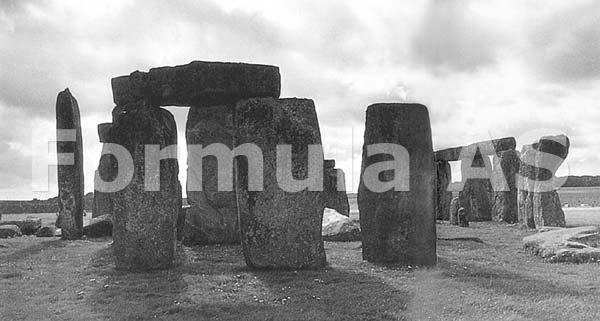
Boyne Valley pare sa fi fost centrul unui veritabil imperiu cultural ce se intindea foarte departe de tarmul Irlandei. Sa ne oprim la inceput, la Salisbury, in Marea Britanie, o veritabila capitala a culturii megalitice, cu Stonehenge, cel mai enigmatic observator astronomic al imperiului, ce poate fi contemplat si astazi, in toata splendoarea lui.

Acest monument urias, format din mai multe cercuri concentrice de pietre, este, dupa parerea astronomului Gerald Stanley Hawkins, un imens calculator, ce permitea prevederea miscarilor Soarelui si data eclipselor de Luna.

Celelalte vestigii prezente in regiune, Avebury, Silbury Hill si Long Barrow, dau si ele de inteles ca in zona a existat un oras cu mai multe zeci de mii de locuitori, condusi de preoti si capetenii razboinice, dar si de astronomi, arhitecti si constructori de exceptie, toti uniti in sanul unei structuri sociale si politice suficient de puternice pentru a duce la bun sfarsit aceste constructii fantastice.
IRLANDA, INIMA IMPERIULUI ATLANT?

Anglia Stonehenge


Monolitii enormi ce compun templul solar provin de la o cariera aflata la mai multe sute de kilometri distanta. A trebuit sa fie traversata marea, urcate cateva coline si trecute rauri, cu blocuri de piatra de peste patru tone, ce au ajuns, in final, la Stonehenge. Cine a avut tehnologia necesara pentru a reusi o astfel de constructie monumentala, ce a dainuit pana in zilele noastre?

Sanctuarul trebuia sa fie gigantic, pentru ca terasamentul exterior are peste o suta de metri diametru. Nu e nici o mirare ca aceasta arhitectura extraordinara ar fi putut inspira descrierea Atlantisului, data de catre Platon.

Si sa nu uitam ca Stonehenge isi avea o copie fidela in Irlanda: Ballynahakney, o asezare megalitica disparuta, dar care figureaza pe o gravura antica. De jur-imprejur, sute de tumuli se ridica din campie. Ei sunt prezenti peste tot, pana in insulele septentrionale ale Scotiei, in Orcade.


Dar aceleasi structuri megalitice sunt intalnite si de cealalta parte a Canalului Manecii, mai ales in cel de-al treilea oras mare al presupusului imperiu atlant, in inima golfului Morbihan: Gavrinis. Pe aceasta insula se afla cel mai frumos tumul din Europa.

El are o suta de metri circumferinta si este construit in jurul unei alei acoperite, cu latimea de 13 metri, formata din 29 de dale de granit, dintre care 23 sunt ornate cu niste extraordinare decoruri compuse din cercuri si volute concentrice, amintind de arta de la New Grange, din Irlanda.
IRLANDA, INIMA IMPERIULUI ATLANT?

Malta. Templul solar din Mnajdra


Sanctuarul megalitic central este, la randul sau, ornat integral. Aceste decoratiuni gravate pe stalpii coridorului din Gavrinis i-au lasat perplecsi pe arheologi. Cea mai noua interpretare da acestor incizii o semnificatie geografica: ar fi vorba despre harti indicand coastele, colinele si raurile din golful Morbihan, cat si zacamintele de silex.

Acelasi lucru s-ar putea spune si despre faimoasa "harta a cerului", aflata in Tara Hill, in Irlanda, ce pare sa indice monumentele megalitice ce serveau pentru observatii astronomice.


Alti tumuli mari (le Petit Mont), prezenti inca in regiune (in Morbihan sunt peste 500), isi dovedesc inrudirea cu cei irlandezi. Din pacate, cel mai important dintre ei zace daramat, spart in patru bucati. Cand statea in picioare, masura peste douazeci si trei de metri si cantarea peste trei sute patruzeci de tone. Pietrele au fost carate acolo pe o distanta de doisprezece kilometri. Cum si de cine?

Mai trebuie semnalata si prezenta, la sud de Gavrinis, a unui cerc dublu de pietre ridicate (cromlech), din care cea mai mare parte este scufundata in golf, indicand o crestere a apei de peste sapte metri, de la constructia lor.

O cultura straniu de omogena


Ceea ce caracterizeaza presupusul imperiu cultural al Atlantidei irlandeze este omogenitatea aspectelor tehnice majore. Marca acestei antice culturi se poate citi in omniprezenta pietrelor ridicate, ce pot fi intalnite din nordul Scotiei si pana pe tarmul Africii de Nord.

Uneori solitare, alteori asociate cu mari cercuri de piatra, altare ritualice ale unor culturi uitate, ele culmineaza la Carnac, in Bretania. Trei mii de pietre mari aliniate, ce au supravietuit celor zece mii prezente la origine, despre care profesorul englez Alexander Thom a afirmat ca faceau parte dintr-un vast observator astronomic. Oare aceasta stiinta pierduta cunostea miscarile energiei telurice?

Unii presupun ca menhirii si marile aliniamente de pietre ridicate puteau avea drept scop major regularizarea miscarilor de energie subterana, pentru a fertiliza solul si a regenera vitalitatea comunitatilor omenesti.

Pietrele uriase ancorate in sol de catre aceste popoare disparute ar fi ca niste ace de acupunctura, plantate in corpul zeitei Gaia... Enigmele ridicate de cultura megalitica atlanta vor ramane multa vreme fara raspuns. Cert este ca manifestarile ei, raspandite pe tot tarmul european al Atlanticului, pana spre Marea Mediterana, sunt surprinzatoare prin omogenitatea lor.

Observarea globala a tuturor vestigiilor, pornind din Scotia si pana in Malta, da de inteles ca exista o sursa culturala si politica unica comuna intregului ansamblu al acestor regiuni: New Grange, Tara Hill, Stonehenge, Gavrinis, Orcadele sau siturile iberice, sunt de acelasi fel, au aceeasi infatisare arhitectonica si par a fi concepute de un spirit comun.


Pe drept cuvant, ne putem intreba asupra cauzelor unei asemenea unitati culturale, in sanul unei regiuni atat de vaste, in timpuri preistorice, cand nu se putea comunica la distante asa de mari. Probabil ca aceste popoare erau compuse din mari navigatori, aveau o putere centralizata, schimburi constante intre regiunile imperiului, o limba comuna.
IRLANDA, INIMA IMPERIULUI ATLANT?

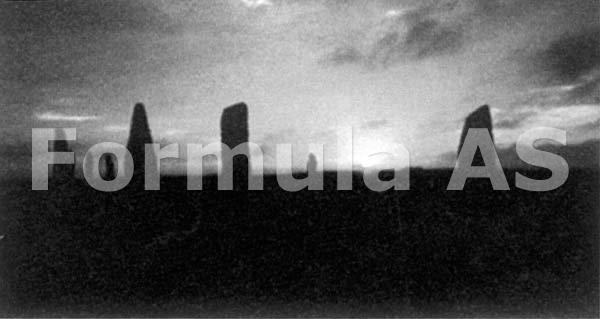
Apus de soare la Brodgar (Scotia)


Si daca nu Irlanda de azi a fost, candva, acest centru, cu siguranta ca zona a fost integrata marelui imperiu atlant disparut, sustine Ulf Erlingsson. Atlantida a disparut, dar ea a colonizat Europa, lasand pana azi urme de cunostinte si de stiinta ce nu pot fi explicate altfel si care, iata, au supravietuit mii de ani.

Si ca sa se mai adauge o piatra de temelie la structura omogena a culturii megalitice, profesorul Alexander Thom a mai facut o descoperire fundamentala: unitatea de lungime comuna tuturor acestor monumente din Europa Occidentala este "yardul megalitic", care are 0,8293 metri.


Aceasta este, de altfel, si teoria lui Platon, care povesteste ca puterea atlanta cucerise o mare parte din Europa Occidentala (fapt dovedit de prezenta unei culturi omogene din Scotia si pana in Maroc). Filosoful spune si ca flota atlanta a amenintat Grecia si a navigat pe Mediterana orientala. Daca aceasta poveste are un sambure de adevar istoric, putem atunci sa consideram Malta drept o baza avansata a imperiului atlant in Mediterana, inchizand in mod strategic intrarea partii sale occidentale.

De altfel, in Malta se afla cea mai impunatoare concentrare de temple megalitice din aria atlantida. In mod ciudat, nu intalnim astfel de monumente nici in Sicilia, nici in Calabria, nici in Africa de Nord. Aceste temple megalitice, printr-un joc misterios al istoriei, s-au concentrat doar pe aceasta mica insula strategica.

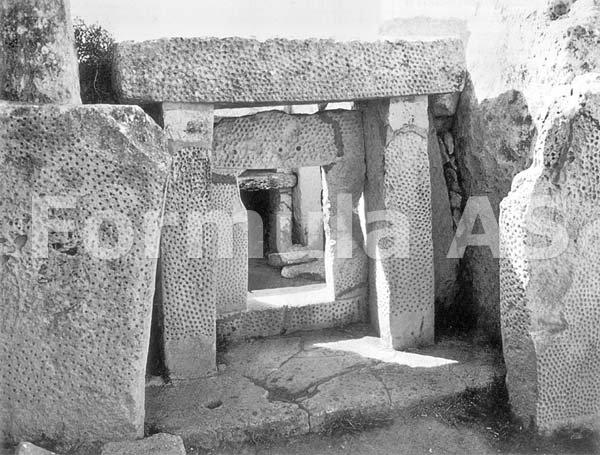
Monumentele din Malta au fost ridicate cu mult timp inainte de piramide si ofera toate caracteristicile templelor atlante. Ele amintesc de Stonehenge prin imensele pietre sculptate, dintre care unele au peste douazeci de tone, si s-au dovedit a fi niste calendare astronomice de mare precizie, destinate determinarii solstitiilor si echinoxurilor. La fel sunt si sanctuarele din Mnajdra si Hagar Qim.

Vizitatorul se regaseste, la Malta, in aceeasi atmosfera culturala ca in Valea Boyne, campia Salisbury sau Gavrinis. Aceasta legatura este pusa si mai mult in evidenta de utilizarea faimosului yard megalitic, descoperit de catre Thom: circa 0,83 de metri, la fel ca la toate monumentele imperiului atlant, pornind din Stonehenge si pana in New Grange.


O descoperire recenta intareste pozitia Maltei ca teritoriu atlant: pe 31 octombrie 2009, o echipa de scufundatori condusa de catre doctorul Hubert Zetlmair a descoperit sanctuarul submarin de la Gebel Gol-Bahar, aflat la nouasprezece metri adancime si trei kilometri in larg de coasta orientala a Maltei. Fotografiile aeriene au relevat prezenta unui templu circular, format din trei cercuri de pietre, construit pe o platforma artificiala de noua sute de metri lungime.

Scriitorul Graham Hancock, aflat in Malta pentru o documentare, releva, de asemenea, prezenta unor temple scufundate in diferite locuri. Ipoteza sa sugereaza existenta unui val imens, care a devastat insula in timpuri trecute, determinand o crestere a nivelului marii, ce duce data construirii lor la ultima era glaciara, adica zece mii de ani inainte de Hristos. Exact epoca Atlantidei lui Platon.


Related Posts Plugin for WordPress, Blogger...

Share

Twitter Delicious Facebook Digg Stumbleupon Favorites